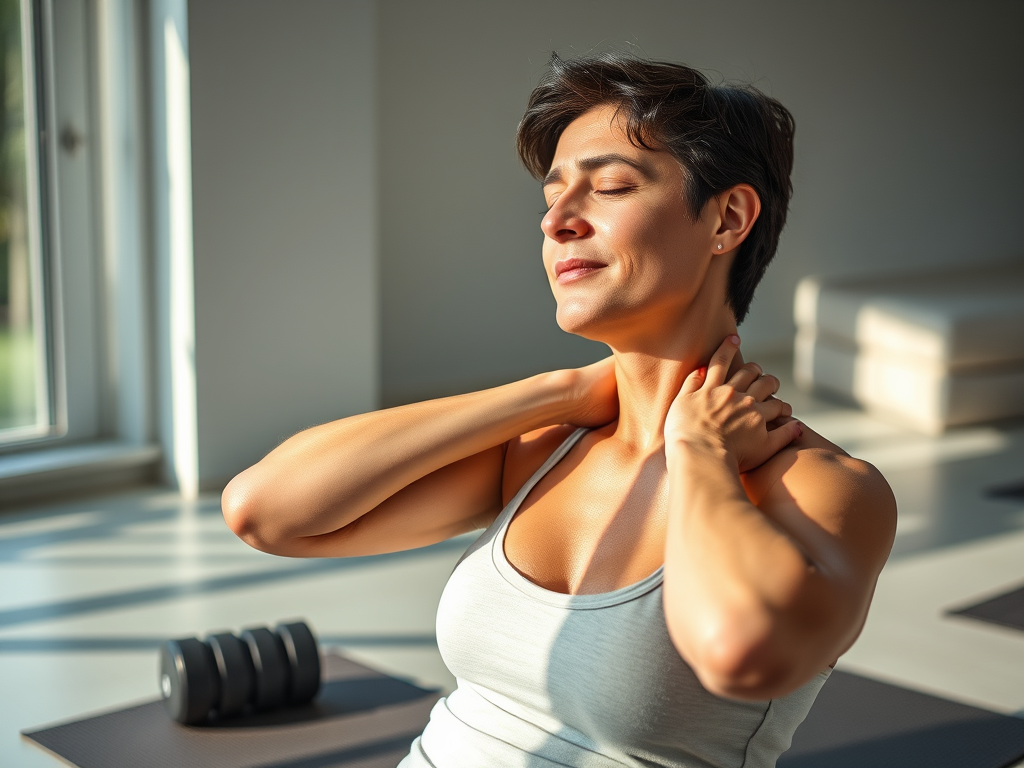
- Self-Massage Sore Muscles Step 1: Warm Up the Muscles First
- Self-Massage Sore Muscles Step 2: Locate Tight Spots and Trigger Points
- Self-Massage Sore Muscles Step 3: Apply Slow, Controlled Pressure
- Self-Massage Sore Muscles Step 4: Spend Time on Each Muscle Group
- Self-Massage Sore Muscles Step 5: Finish with Gentle Stretching
- Best Self-Massage Techniques for Common Sore Muscles
- 🏆 Top Pick Self-Massage Tools for Sore Muscles
- Common Self-Massage Mistakes to Avoid
- How Often Should You Self-Massage?
- Benefits of Regular Self-Massage
- FAQ: Self-Massage for Muscle Recovery
In this guide, you’ll learn exactly how to self-massage sore muscles step by step. These techniques are simple enough for beginners and can easily become part of your recovery routine.
Self-massage is a powerful recovery tool used by athletes, trainers, and physical therapists. It helps release muscle tension, improve circulation, and promote faster recovery after exercise. When done correctly, it can reduce stiffness and help your body move more comfortably.
For many people, the first thought is to book a professional massage. While that can certainly help, it’s not always convenient or affordable. The good news is that you can often get significant relief using simple self-massage techniques at home.
Self-Massage Sore Muscles Step 1: Warm Up the Muscles First
Why Warm Muscles Respond Better to Massage
Cold muscles tend to resist pressure and can feel more sensitive. Warming up the muscles before massage helps them relax and become more responsive to treatment.
When muscles are warm, blood flow increases and the tissue becomes more flexible. This makes massage more comfortable and more effective.
Simple Warm-Up Methods
Before starting your massage session, try one of the following methods:
- Take a warm shower
- Use a heating pad for a few minutes
- Go for a short walk
- Perform light stretching
Even five minutes of gentle movement can help prepare your muscles for massage.
Self-Massage Sore Muscles Step 2: Locate Tight Spots and Trigger Points
How to Identify Muscle Knots
Muscle knots often feel like small, tender areas within the muscle. When pressure is applied, they may feel slightly painful or sensitive.
These trigger points can restrict movement and contribute to stiffness.
During self-massage, slowly move your fingers, hands, or massage tool along the muscle until you find areas that feel tight or tender.
Common Areas of Muscle Tightness
Some areas of the body tend to develop muscle knots more frequently than others.
These commonly include:
- Neck and upper shoulders
- Upper back
- Lower back`
- Glutes
- Hamstrings
- Calves
These muscle groups work hard during everyday activities and exercise, making them common targets for self-massage.
Self-Massage Sore Muscles Step 3: Apply Slow, Controlled Pressure
The Right Amount of Pressure
When massaging sore muscles, the pressure should feel firm but manageable.
A mild level of discomfort is normal when working on tight areas, but the pressure should never feel sharp or painful.
If the pressure is too intense, muscles may actually tighten in response.
Basic Self-Massage Techniques
There are several simple techniques you can use when massaging sore muscles.
Circular motions are one of the easiest methods. Using your fingers, gently move in small circles around tight areas.
Another technique involves slow rolling pressure along the length of the muscle. This works especially well when using foam rollers or massage balls.
Gentle compression can also help release tension. Press down on a tight spot for several seconds before slowly releasing the pressure.
Self-Massage Sore Muscles Step 4: Spend Time on Each Muscle Group
Recommended Massage Duration
Self-massage doesn’t need to take a long time to be effective.
In most cases, spending about 30 to 90 seconds on each tight spot is enough to help the muscle relax.
For larger muscle groups such as the glutes or quadriceps, you might spend several minutes working across the entire muscle. To relieve sore thighs beyond self-massage, visit How to Relieve Sore Muscles in Thighs? Complete Recovery Guide for Faster Healing.
A typical self-massage session might last 10 to 15 minutes.
Signs the Muscle Is Relaxing
As you continue massaging an area, you may notice several signs that the muscle is beginning to relax.
The tenderness often decreases, and the muscle may feel softer or less tight. You may also notice improved range of motion when moving the joint.
These are good indicators that the massage is helping release tension.
Self-Massage Sore Muscles Step 5: Finish with Gentle Stretching
Why Stretching Improves Results
After massage, muscles are usually more relaxed and flexible. This makes it an ideal time to perform light stretching.
Stretching helps lengthen the muscle fibers and improve overall mobility.
When combined with massage, stretching can enhance the recovery process and help prevent future tightness.
Simple Post-Massage Stretches
Focus on stretches that target the muscles you just massaged.
For example, if you massaged your hamstrings, try a gentle forward fold stretch. If you worked on your shoulders, perform a cross-body shoulder stretch.
Hold each stretch for about 20 to 30 seconds while breathing slowly and relaxing into the movement.
Best Self-Massage Techniques for Common Sore Muscles

Self-Massage for Neck and Shoulder Tension
Neck and shoulder tension is extremely common, especially for people who work at desks.
Using your fingers, apply gentle pressure along the top of the shoulders and base of the neck. Small circular motions can help release tight muscles in this area.
Self-Massage for Lower Back Pain
For the lower back, massage balls can be especially helpful.
Place a small massage ball between your back and a wall, then slowly move your body to roll the ball across tight areas.
This technique allows you to control the amount of pressure while targeting deeper muscle layers.
Self-Massage for Tight Legs
Leg muscles often become sore after running, strength training, or long periods of standing.
Rolling the calves, quadriceps, and hamstrings with a foam roller can help release tension and improve circulation.
Moving slowly and focusing on tight spots will produce the best results.
🏆 Top Pick Self-Massage Tools for Sore Muscles
Self-massage can be performed using just your hands, but certain tools make the process easier and more effective.
Massage guns have become increasingly popular in recent years. These devices deliver rapid pulses of pressure that help relax tight muscles and improve circulation.
Top Pick Massage Gun: TheraGun Therabody Relief
4.6 Stars (2,300 Reviews)

Foam rollers are one of the most popular recovery tools. They allow you to apply pressure across large muscle groups like the back, legs, and glutes.
Top Pick Foam Roller: Hyperice Vyper 3
4.4 Stars (200 Reviews)

Massage balls are useful for targeting smaller areas and deep trigger points. They work especially well for the upper back, shoulders, and hips.
Top Pick Massage Ball: 4KOR Massage Balls
4.7 Stars (2,100 Reviews)

Many athletes and physical therapists use these tools regularly to support muscle recovery and reduce soreness after training.
Common Self-Massage Mistakes to Avoid
Applying Too Much Pressure
One of the most common mistakes people make is pressing too hard. Excessive pressure can irritate muscles and increase soreness instead of relieving it.
Always start with moderate pressure and increase gradually if needed.
Massaging Injured or Inflamed Areas
Self-massage should not be used directly on acute injuries such as muscle tears, severe inflammation, or swelling.
If you suspect an injury, it’s best to allow the area to heal or consult a healthcare professional.
Skipping Recovery and Hydration
Massage helps release metabolic waste products from muscles, and proper hydration helps the body flush them out.
Drinking water after a massage session supports recovery and helps muscles feel better.
How Often Should You Self-Massage?
Self-massage can be used regularly as part of a recovery routine.
Some people benefit from light daily sessions that target areas prone to tightness. Others may prefer longer sessions after intense workouts.
A typical routine might include short five to ten minute sessions after exercise or two to four longer recovery sessions each week.
Consistency is more important than duration. Regular massage helps maintain flexibility and prevent chronic tightness.
Benefits of Regular Self-Massage
When practiced consistently, self-massage offers several long-term benefits.
Reduced Muscle Soreness
Massage helps muscles recover more efficiently after physical activity, which can reduce the severity of soreness.
Improved Flexibility and Range of Motion
By releasing tight muscle fibers, massage allows joints to move more freely.
Faster Workout Recovery
Athletes often use massage as part of their recovery strategy because it helps muscles repair themselves more quickly.
Better Overall Muscle Health
Over time, regular massage helps maintain healthy muscle tissue and prevents excessive tension from building up.
FAQ: Self-Massage for Muscle Recovery
Does self-massage help muscle soreness?
Yes. Self-massage can reduce muscle tightness, improve circulation, and promote faster recovery after exercise.
Is foam rolling the same as massage?
Foam rolling is a form of self-myofascial release, which is similar to massage. It applies pressure to muscles to help release tight areas and improve mobility.
How long should you massage sore muscles?
Most people benefit from spending about 30 to 90 seconds on each tight spot and around 10 to 15 minutes total during a session.
Should you massage sore muscles every day?
Light massage can be performed daily if needed, especially for areas that become tight frequently.
Can self-massage prevent muscle injuries?
While it cannot eliminate injury risk, self-massage helps maintain flexible and healthy muscles, which may reduce the likelihood of strains.
Is it better to massage before or after a workout?
Massage can be helpful both before and after workouts. Light massage before exercise may improve mobility, while deeper massage afterward helps promote recovery.
Leave a Reply