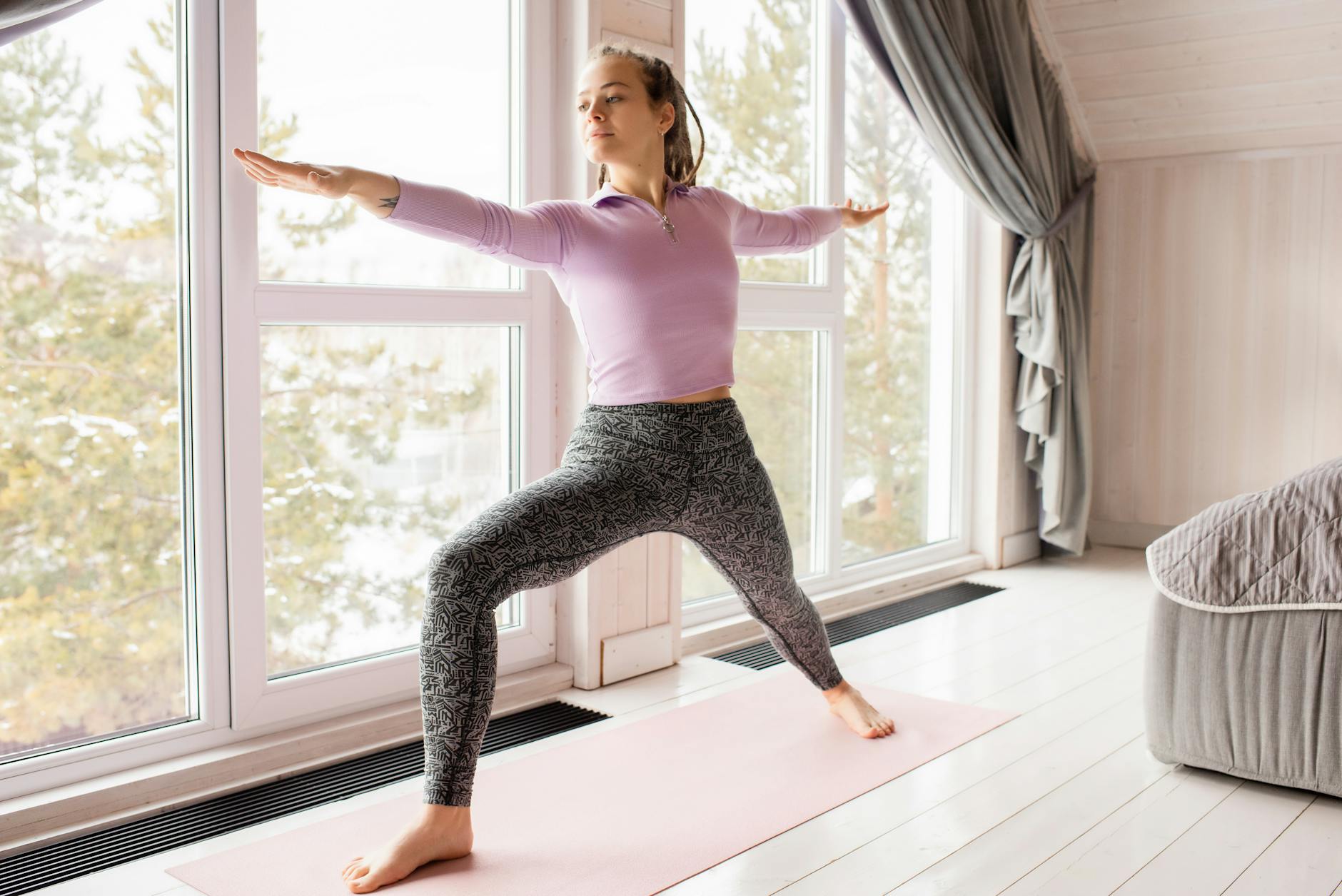
Fitness isn’t just about how much you can lift or how fast you can run — it’s about how well your body functions for your age and lifestyle. Many people wonder, “How do I tell if I’m truly fit for my age?” The good news is, you don’t need a fancy gym or lab test to find out. You can perform simple, science-backed assessments right at home that reveal your strength, flexibility, endurance, and balance — the key indicators of overall fitness. Knowing how fit you are for your age helps you identify where you stand, track progress, and create a more personalized plan to maintain or improve your health. In this guide, you’ll learn how to tell if you are fit for your age at home, how to interpret the results, and what steps you can take to boost your fitness level — no equipment or gym membership required.
1. Understanding What It Means to Be “Fit for Your Age”
Fitness is not a one-size-fits-all concept. What’s “fit” for a 25-year-old marathon runner differs from what’s healthy for a 55-year-old office worker. The key is functional fitness — how well your body performs the tasks and movements required in daily life.
Scientists typically define physical fitness through five main pillars:
- Cardiorespiratory endurance: Your heart and lungs’ ability to deliver oxygen during sustained activity.
- Muscular strength: The ability of your muscles to exert force, like lifting or carrying.
- Muscular endurance: How long your muscles can perform without fatigue.
- Flexibility: Your range of motion in joints and muscles.
- Balance and coordination: How well you maintain control of your body during movement or while standing still.
When you test your fitness at home, you’re not comparing yourself to athletes — you’re measuring how your body performs relative to others your age, and more importantly, against your own past performance. This helps you focus on progress rather than perfection.
2. How to Assess Your Cardio Fitness at Home
Your heart and lungs are central to your fitness. Fortunately, you can estimate your cardiovascular health with simple home-based tests that don’t require specialized equipment.
1. The Step Test:
Find a sturdy step or staircase about 12 inches high. Step up and down at a steady pace for 3 minutes. After finishing, immediately measure your pulse for 60 seconds. Compare your heart rate to general benchmarks:
- Under 90 bpm: Excellent
- 90–110 bpm: Good
- 111–130 bpm: Average
- Above 130 bpm: Below average
Lower heart rates after exertion indicate stronger cardiovascular fitness because your heart recovers faster.
2. Resting Heart Rate:
Before getting out of bed in the morning, measure your resting pulse. A rate between 60–80 beats per minute is considered healthy for most adults. Trained individuals often have rates closer to 50 or even lower.
3. The Talk Test:
During brisk walking or light jogging, try speaking a sentence aloud. If you can talk comfortably but not sing, you’re in the moderate-intensity zone — ideal for improving heart health.
These easy tests reveal how efficiently your cardiovascular system supports your activity level. If your heart rate is high or recovery slow, gradual cardio training like brisk walking, cycling, or dancing can make a noticeable difference in just a few weeks.
3. Testing Your Strength: Are You Strong for Your Age?
Strength is one of the most important markers of longevity. Maintaining muscle mass helps protect your bones, balance, and metabolism — all of which tend to decline with age. Luckily, you can test strength at home with just your body weight.
1. Push-Up Test (Upper Body Strength):
Do as many push-ups as you can without rest. Use a modified version (on your knees) if needed.
- Men ages 20–39: 20–30 push-ups = good
- Women ages 20–39: 15–20 push-ups = good
- Older adults can aim for 10–15 reps with proper form
2. Sit-to-Stand Test (Lower Body Strength):
Sit in a chair, cross your arms over your chest, and stand up as many times as possible in 30 seconds.
- 14 or more reps: Excellent
- 10–13: Average
- Below 10: Needs improvement
3. Plank Hold (Core Strength):
Hold a standard plank on your forearms and toes.
- 60+ seconds: Excellent
- 30–59 seconds: Good
- 20–29 seconds: Fair
These tests give you a snapshot of how well your muscles support daily movements like standing, lifting, and carrying groceries. Strength training twice a week — even with body weight — can help maintain muscle as you age.
4. Evaluating Flexibility: The Forgotten Measure of Fitness
Flexibility often gets overlooked, yet it’s essential for preventing injuries and improving mobility. As we age, muscles naturally tighten, making it harder to move freely. You can assess flexibility easily at home.
1. Sit and Reach Test:
Sit on the floor with your legs straight ahead and feet together. Slowly reach toward your toes without bending your knees.
- Can touch or pass toes: Great flexibility
- Reach mid-shin: Average
- Can’t reach shins: Needs improvement
2. Shoulder Mobility Test:
Reach one arm over your shoulder and the other behind your back, trying to touch your fingertips. Switch sides.
If your fingers touch or overlap, flexibility is strong. A large gap suggests limited shoulder mobility.
Improving flexibility through gentle stretching, yoga, or Pilates can enhance your posture, reduce pain, and keep your joints healthy.
5. Testing Your Balance and Coordination
Balance tends to decline with age due to changes in muscle strength, vision, and reaction time. However, you can test and train balance easily at home — and it’s one of the best predictors of longevity.
1. Single-Leg Balance Test:
Stand barefoot and lift one foot off the ground. Time how long you can balance without touching your raised foot down.
- 45+ seconds: Excellent
- 20–40 seconds: Average
- Under 10 seconds: Needs improvement
2. Heel-to-Toe Walk:
Walk in a straight line, placing your heel directly in front of your toe each step. If you wobble or lose balance, your coordination could use work.
Improving balance helps prevent falls, a major concern as we age. Simple practices like standing on one foot while brushing your teeth or trying gentle yoga poses such as Tree Pose can strengthen stability over time.
6. Comparing Your Fitness to Age-Based Norms
Now that you’ve tested your endurance, strength, flexibility, and balance, how do you interpret your results? Research provides general ranges for each age group.
For example:
- Ages 20–39: Should maintain higher endurance and strength levels, with good flexibility and balance.
- Ages 40–59: Focus on preserving muscle and cardiovascular function through consistent movement.
- Ages 60+: Prioritize balance, flexibility, and joint-friendly exercises to maintain independence and quality of life.
If you find certain areas lagging behind, don’t see it as failure — it’s feedback. Fitness is a lifelong journey. With a few weeks of intentional effort, most people can dramatically improve their home test results.
To stay accountable, retest yourself every 6–8 weeks. Track your scores and note improvements — this reinforces motivation and provides tangible proof that your consistency is paying off.
7. How to Improve Your Fitness for Your Age at Home
Once you’ve identified where you stand, it’s time to take action. You don’t need gym memberships or equipment — just consistency, creativity, and a plan that works for your schedule.
Here’s how to start improving your results right at home:
- Walk daily: Aim for 30 minutes of brisk walking to boost heart health. If that’s too much, start with 10-minute intervals.
- Do bodyweight strength exercises: Push-ups, squats, lunges, and planks build muscle and stability.
- Stretch regularly: Spend 5–10 minutes stretching major muscle groups daily to improve flexibility.
- Balance training: Stand on one leg while doing daily tasks or practice slow, controlled movements.
- Track your progress: Use a notebook or fitness app to record test results and improvements.
- Prioritize rest and nutrition: Proper recovery and protein intake are essential for muscle repair and energy.
Even small lifestyle upgrades — taking the stairs, walking after meals, standing while working — compound into meaningful changes in fitness and health.
Remember, being fit for your age isn’t about competing with others. It’s about feeling energetic, strong, and capable in your daily life. The more active and aware you are, the longer and healthier your years will be.
Final Thoughts: Assessing and Elevating Your Fitness at Any Age
Knowing how to tell if you are fit for your age at home gives you power — the power to take control of your health and measure progress in meaningful ways. These simple home fitness tests reveal not only where you are now but where you can go with consistent effort.
No matter your age or starting point, small steps matter. A few push-ups today, a short walk tomorrow, a little balance work in the evening — all of it adds up. Fitness is less about perfection and more about persistence.
The next time you wonder if you’re “fit for your age,” remember: the real measure isn’t just in numbers or test results, but in how you feel, move, and live each day. Keep challenging yourself, stay curious, and enjoy the process of becoming stronger, healthier, and more confident — right from home.
Leave a Reply