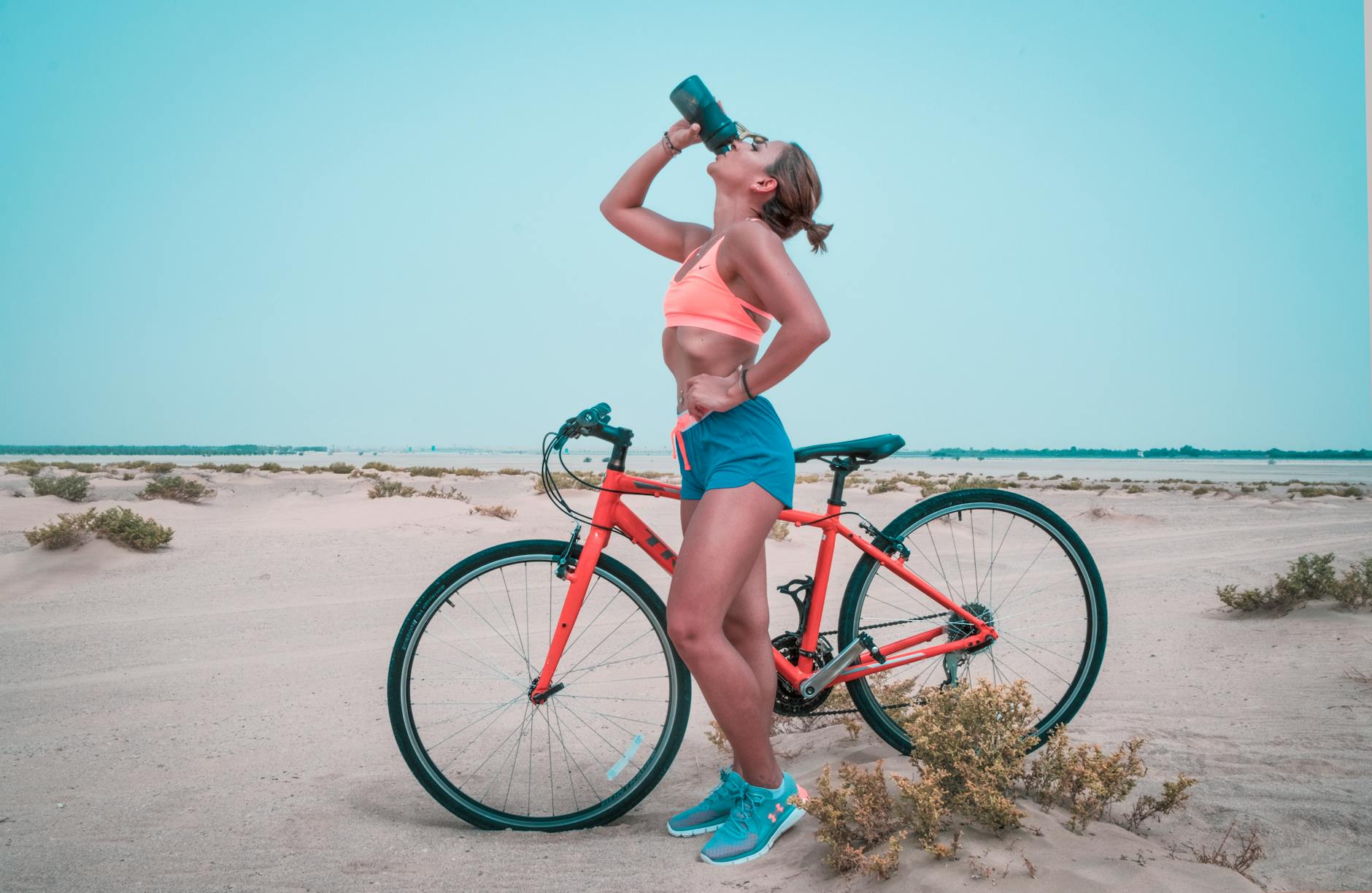
When you’re sweating through a tough workout, you may have wondered: Is it good to drink water while exercising? The answer is a resounding yes—but how much, when, and why matter more than you might think. Hydration isn’t just about quenching thirst; it’s about supporting energy, endurance, muscle performance, and overall recovery. In this in-depth guide, we’ll explore the science behind hydration, the benefits of drinking water during workouts, the risks of dehydration, and the smart strategies for staying properly hydrated before, during, and after exercise.
I. Why Hydration Matters During Exercise
Water plays a critical role in nearly every function of your body—regulating temperature, delivering oxygen to muscles, and flushing waste products. When you exercise, your body produces heat, and sweating helps cool you down. The downside? You lose fluids and electrolytes in the process. Without proper hydration, your body can’t perform at its best.
When you drink water while exercising, you’re not just replacing sweat—you’re maintaining balance in several key systems:
- Temperature regulation: Keeps your body cool and prevents overheating.
- Muscle function: Dehydrated muscles fatigue faster and are more prone to cramps.
- Cardiovascular efficiency: Water keeps blood volume stable, so your heart doesn’t have to work as hard.
- Focus and coordination: Even slight dehydration can impact mental sharpness and reaction time.
According to research from the American College of Sports Medicine, losing just 2% of body weight in fluids can lead to a measurable drop in performance. So staying hydrated isn’t just a comfort—it’s a necessity.
II. How Much Water Should You Drink While Exercising?
The amount of water you should drink during a workout depends on your body weight, sweat rate, intensity level, temperature, and duration of exercise. There’s no one-size-fits-all answer, but general guidelines can help you get started.
Basic hydration recommendations:
- Before exercise: Drink about 16–20 ounces of water 2–3 hours before your workout.
- During exercise: Aim for 7–10 ounces every 10–20 minutes.
- After exercise: Drink 16–24 ounces for every pound of body weight lost.
To fine-tune your hydration plan, weigh yourself before and after workouts. If you lose more than 2% of your body weight, you’re not drinking enough. Conversely, if your weight increases, you may be overhydrating—a condition that can lead to low sodium levels (hyponatremia).
Environmental conditions also matter. Hot or humid weather increases sweat loss, so you’ll need more fluids. Meanwhile, cold environments can dull your thirst response, causing you to drink less even as your body still loses water through sweat and breathing.
III. Benefits of Drinking Water While Exercising
Drinking water during exercise offers more benefits than just staying comfortable. It directly impacts your performance, endurance, and recovery.
Here’s what proper hydration does for your body:
- Prevents fatigue: Water helps transport nutrients and oxygen to your muscles, keeping energy levels steady throughout your session.
- Improves endurance: Well-hydrated athletes can exercise longer before hitting fatigue.
- Reduces cramps and stiffness: Muscles that stay hydrated are less likely to spasm or tighten up.
- Boosts heart performance: Dehydration causes your heart rate to rise faster, which can make exercise feel harder.
- Enhances focus and coordination: Dehydration can impair cognitive function, reaction time, and decision-making—critical in sports and workouts that require precision.
- Supports post-workout recovery: Proper hydration helps flush out metabolic waste and supports muscle repair.
Essentially, when you drink water while exercising, you’re fueling your body in real-time—keeping your system balanced, efficient, and ready to perform.
IV. The Dangers of Dehydration During Exercise
Skipping water during workouts can have immediate and noticeable effects on your performance—and even your safety.
Common signs of dehydration:
- Thirst
- Dry mouth or sticky saliva
- Fatigue or lightheadedness
- Muscle cramps
- Dark yellow urine
- Rapid heartbeat
- Headache
When dehydration progresses, it can lead to heat exhaustion or heat stroke, especially in hot conditions. Heat-related illnesses occur when your body can no longer regulate its temperature effectively.
Even mild dehydration—losing just 1-2% of body fluids—can cause measurable declines in performance, making exercise feel harder and less efficient. For endurance athletes or those working out in the heat, dehydration can even become dangerous.
V. The Risk of Overhydration: Can You Drink Too Much Water While Exercising?
While staying hydrated is crucial, too much water can also be a problem. Drinking excessive amounts of plain water without replenishing electrolytes can dilute the sodium in your blood, leading to hyponatremia—a rare but serious condition that causes nausea, confusion, and in severe cases, seizures.
This condition most often affects endurance athletes—like marathoners—who drink excessive amounts of water over several hours without consuming sodium.
Tips to avoid overhydration:
- Don’t force water beyond thirst if your workout is under an hour.
- For longer sessions, sip smaller amounts consistently.
- Use electrolyte drinks when exercising for more than 60–90 minutes.
The key is balance—replace fluids at a rate close to your sweat loss without going overboard.
VI. Water vs. Sports Drinks: What’s Best While Exercising?
Not all hydration solutions are equal. While water is the best choice for most workouts, sports drinks can be beneficial in certain situations.
Choose water when:
- Your workout is under an hour.
- You’re exercising indoors or at moderate intensity.
- You’re trying to limit calorie or sugar intake.
Choose electrolyte or sports drinks when:
- You’re working out longer than 60–90 minutes.
- You’re training in hot, humid conditions.
- You sweat heavily or have salt residue on your skin after workouts.
Sports drinks contain electrolytes—mainly sodium and potassium—that help replace what’s lost through sweat and maintain fluid balance. They can also provide a small boost of carbohydrates for energy during extended endurance training.
If you prefer a natural approach, you can also make DIY electrolyte water using water, a pinch of sea salt, and a splash of orange juice or coconut water.
VII. How to Stay Hydrated Before, During, and After Workouts
Hydration doesn’t start the moment you pick up your water bottle mid-workout—it’s a continuous process. To maximize performance, follow a three-phase hydration strategy:
1. Before Exercise:
- Drink 16–20 ounces of water about 2–3 hours before your workout.
- Sip another 8 ounces 20–30 minutes before starting.
- Avoid overloading your stomach—drink gradually.
2. During Exercise:
- Sip 7–10 ounces every 10–20 minutes.
- Adjust based on intensity, temperature, and sweat rate.
- For long workouts, alternate water and electrolyte drinks.
3. After Exercise:
- Replenish with 16–24 ounces of water per pound lost during the session.
- Include electrolytes or mineral-rich foods like bananas, yogurt, or leafy greens.
- Continue sipping water regularly throughout the day.
This strategy ensures your body is always in balance—never starting dehydrated or finishing depleted.
VIII. Signs You’re Drinking the Right Amount of Water
It can be tricky to know whether you’re truly hydrated, but your body provides clear signals.
Indicators of good hydration:
- Pale yellow or nearly clear urine
- Consistent energy and focus during exercise
- Normal heart rate and breathing recovery
- No excessive thirst or dryness
If you feel sluggish, dizzy, or notice dark urine, you likely need more fluids. Listening to your body’s signals is one of the simplest and most effective ways to optimize hydration.
IX. Best Times to Drink Water While Exercising
Timing your water intake can make a difference in comfort and performance.
Before exercise: Drink gradually leading up to your session. Avoid chugging large amounts right before working out, as this can cause stomach discomfort.
During exercise: Sip consistently rather than gulping all at once. For example, take small sips every few minutes rather than waiting until you feel thirsty.
After exercise: Focus on recovery hydration. This is especially important if you’ve been sweating heavily or working out in heat.
If you’re doing high-intensity workouts like HIIT or circuit training, schedule short breaks to hydrate. For endurance training like cycling or long-distance running, use a hydration pack or bottle with easy access.
X. The Role of Electrolytes in Hydration
Water alone is essential, but electrolytes—like sodium, potassium, magnesium, and calcium—help your body retain water and function properly during exercise.
When you sweat, you lose these minerals, which can lead to fatigue and muscle cramps. Replenishing them helps maintain balance and prevents dehydration symptoms even when you’re drinking enough fluids.
Some great natural sources of electrolytes include:
- Bananas (potassium)
- Coconut water (electrolyte-rich and hydrating)
- Yogurt (calcium and potassium)
- Avocados (magnesium and potassium)
- Leafy greens like spinach or kale
For longer or more intense workouts, consider low-sugar electrolyte drinks or powders to maintain optimal hydration and energy.
XI. Hydration Tips for Different Workout Types
Different workouts require different hydration strategies.
For strength training:
- Sip water between sets.
- Avoid overhydrating before lifting—it can cause bloating.
- Replenish with electrolytes post-workout if your session was intense.
For cardio or endurance training:
- Start hydrated and bring a bottle or hydration belt.
- Replace fluids regularly throughout.
- If working out for over an hour, include electrolyte replacements.
For yoga or Pilates:
- Hydrate before class and sip lightly afterward.
- Avoid drinking too much during the session to prevent discomfort.
For HIIT or CrossFit:
- Drink small amounts between rounds.
- Keep electrolytes handy if your session is over 45 minutes.
XII. Special Considerations: Hydration for Older Adults and Hot Environments
As we age, our thirst response weakens, meaning we may not feel thirsty even when we’re dehydrated. Older adults, in particular, should be proactive about drinking water throughout the day.
In hot environments, hydration needs increase dramatically. Your body sweats more, and electrolyte loss rises. Dress in breathable clothing, exercise during cooler hours, and always keep water nearby.
For these groups, consistent sipping—not just drinking during workouts—can make a major difference in comfort and safety.
The Bottom Line: Stay Hydrated, Perform Better
So, is it good to drink water while exercising? Absolutely—and it’s one of the simplest, most effective performance enhancers available. Proper hydration keeps your muscles working efficiently, your heart rate steady, and your focus sharp. It helps prevent cramps, dizziness, and fatigue, allowing you to train harder and recover faster.
To sum up:
- Drink before, during, and after workouts.
- Adjust intake to your body, sweat rate, and environment.
- Use electrolytes for long or intense sessions.
- Listen to your body—it’s the best hydration guide you have.
Staying hydrated isn’t just about drinking water—it’s about giving your body what it needs to perform at its best. So next time you hit the gym, track, or trail, bring your water bottle—and make every sip count toward better performance and better health.
Leave a Reply