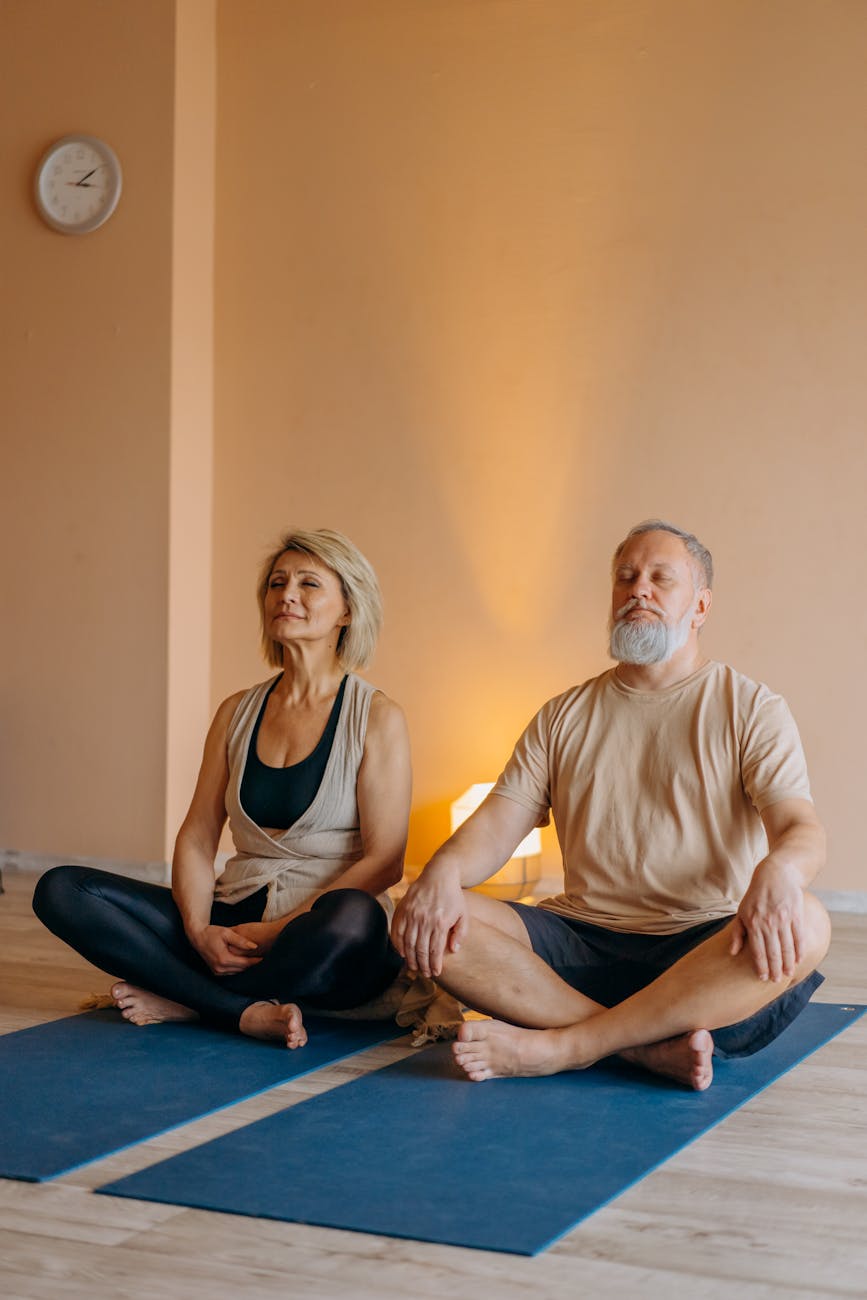
A lot of advice circulates about how to “age well,” but when you ask people who are actually thriving in their 70s, a single simple theme keeps coming up. Yes, diet, sleep, and social life matter, but the number-one piece of advice you’ll hear again and again from fit and healthy 70-year-olds is this: keep moving — every single day.
Below, I’ll unpack why that matters, what “keep moving” really looks like, how it fits with expert research, and practical ways to use this single piece of wisdom at any age. I’ll also share short, real-world examples of inspiring 70-year-olds who live by this rule — and links to the source material so you can read more.
Why movement is the headline habit (and what the research says)
When you read summaries from major health institutions, the message is consistent: regular physical activity protects against many of the problems people usually blame on “just getting older.” Exercise lowers the risk of heart disease, stroke, diabetes, depression, and some cancers. It helps maintain muscle mass, balance, and coordination — all crucial for staying independent as you age. In short, movement is medicine, and the evidence keeps growing. Harvard Health
Recent research highlights even more reasons to move. Mayo Clinic researchers reported that regular physical activity helps clear out or reduce the burden of senescent (aged) cells — the kind of worn-out cells that can speed aging and inflammation — pointing to a cellular reason exercise supports long-term health. That’s one biological explanation for why daily movement matters, beyond how it makes you feel in the moment. Mayo Clinic News Network
The Blue Zones studies — long-term research into regions with exceptional longevity — show the same theme in communities that live longer, healthier lives. People in Okinawa, Sardinia, Ikaria, Nicoya, and Loma Linda stay active through daily natural movement: gardening, walking to neighbors’ houses, preparing food, or doing light manual tasks. They rarely think of exercise as “time carved out” — movement is simply part of life. That integration is a huge part of why they stay fit into old age. Blue Zones+1
So when a fit 70-year-old says “keep moving,” they’re repeating what decades of research supports: regular movement protects your body, brain, and independence.
What “keep moving” actually means — it’s not all high-intensity
One common myth is that thriving older adults are naturally elite athletes. That’s not true for most. The people who age well tend to move in varied, consistent, and practical ways rather than aiming for extreme workouts every day.
Movement for longevity has several parts:
- Gentle cardio or walking to keep the heart and lungs strong.
- Strength work or resistance (even light) to preserve muscle and bone.
- Balance and flexibility practices (yoga, tai chi, or simple standing balance exercises) to prevent falls.
- Daily low-level “non-exercise” movement: gardening, tidying, walking to run errands, or standing up and walking around regularly through the day.
Harvard Health highlights that a mix of activities helps older adults maintain strength and coordination — and that strength and balance training should be part of a regular routine, not an afterthought. That combination is what helps people stay independent and active into their 70s and beyond. Harvard Health+1
Real people: short stories of 70-year-olds who live this advice
These short examples show how different “keep moving” can look in real life:
- A 70-year-old marathoner who discovered running later in life and now uses steady training, walking recovery days, and careful attention to sleep and nutrition to keep running strong — proof that starting (or restarting) is possible at any age. The journey is less about speed and more about consistency and adaptations over time. (Profile in Prevention magazine). Prevention
- Older athletes profiled by AARP show a range of activities — from competitive swimming and cycling to walking clubs and dance groups. Their common thread is daily movement plus social connection, which keeps motivation high and routines sustainable. These stories underscore that community and purpose make movement stick. AARP
These are just a couple of examples, but the pattern repeats: people in their 70s who feel strong do something active most days, and they shape their lives so movement flows naturally into their days.
The smaller habits that support “keep moving”
When you talk to healthy older adults and read the research, movement rarely stands alone. It pairs with other habits that make staying active easier and more enjoyable.
First, nutrition. Blue Zones research shows that plant-forward, mostly whole-food diets support steady energy and recovery. That doesn’t mean perfection — it means favoring fruits, vegetables, legumes, whole grains, and modest amounts of fish or lean protein. Food becomes fuel for movement, not a punishment. Blue Zones
Second, sleep and recovery. Regular rest helps you bounce back and makes daily movement feel doable. The Mayo Clinic and Harvard both stress recovery as a vital component of long-term exercise plans — especially as you age, your body needs more careful progressions and rest days. Mayo ClinicMayo Clinic News Network
Third, social connection. Moving with others — walking groups, community classes, or gardening circles — keeps people accountable and joyful. The Blue Zones emphasize strong community ties as a resilience factor that supports both physical and mental health. Blue Zones
How to apply the #1 advice (practical steps anyone can use)
If “keep moving” is the advice, what does that look like in practical terms next week? Here’s a simple, friendly plan that works for most people:
Start small. If you’re not active right now, begin with 10–15 minutes of walking a day, three days a week. Add five minutes each week until you reach 30 minutes most days.
Mix in strength twice per week. Use bodyweight moves (sit-to-stand, wall push-ups), resistance bands, or light dumbbells. Focus on slow, controlled movements and fewer reps rather than heavy weights if you’re new.
Add balance practice. Stand on one leg while brushing your teeth or practice heel-to-toe walks in the hallway for a minute at a time.
Make movement social. Join a walking group, sign up for a community class, or invite a friend to garden with you. Social motivation is a powerful glue.
Use natural movement. Choose stairs over elevators if safe, park a block away, and break up long sitting periods with short walks. These tiny choices add up.
Progress gradually. The aim is sustainable, not spectacular. As Harvard recommends, include different kinds of movement and prioritize consistency. Harvard Health+1
Safety and smart progress: what experts recommend
One reason people hesitate after 60 is fear of injury. The good news is that injuries are avoidable with simple precautions.
Warm up before activity, focus on good form, and build intensity slowly. If you have chronic conditions, check with your healthcare provider about safe exercise options and any necessary modifications. Mayo Clinic experts suggest tailored programs for older adults that emphasize function — squatting, lifting, and stepping — which improve daily life tasks. They also highlight the growing evidence that exercise affects biology at the cellular level in ways that promote health. Mayo ClinicMayo Clinic News Network
If balance is a concern, start with seated strength work and supervised balance practice (tai chi or guided classes are excellent). If you feel chest pain, dizziness, or unusual shortness of breath, stop and seek medical attention.
How “keep moving” helps far beyond physical strength
Staying active in your 70s isn’t just about avoiding falls. Movement improves sleep, sharpens thinking, reduces anxiety, fosters social bonds, and gives many older adults a sense of purpose — whether it’s training for a community race, gardening to feed neighbors, or teaching grandkids how to bike.
Blue Zones research shows that purpose — a reason to get up and move — contributes meaningfully to longer, happier lives. That’s why people who embed movement into tasks they care about (cooking, volunteering, walking to see friends) are more likely to keep going for years. Blue Zones+1
What to do if you’ve been sedentary for years
If you haven’t moved much lately, the key is to keep expectations realistic and to celebrate tiny wins. Begin with gentle walking and mobility work, and aim to increase frequency before you increase intensity. Find activities you enjoy; they’ll be easier to stick with.
Try a short trial: three 10-minute walks this week, plus two 5-minute sessions of light strength moves (like chair stands). Notice how your energy changes, then gradually add more. Many inspiring older athletes started slowly and only later found themselves running marathons or joining masters competitions. The point is progress, not perfection. AARPPrevention
Short Q&A: quick answers to common worries
Will lifting weights make me bulky or unsafe?
No. Strength training preserves muscle and improves function. For older adults, it’s about maintaining strength, not bulking. Start light, focus on form, and increase gradually. Harvard and Mayo Clinic both recommend resistance training as a core part of healthy aging. Harvard HealthMayo Clinic
How much is enough?
Aim for at least 150 minutes of moderate activity weekly (brisk walking counts), plus two sessions of strength work. But even less activity delivers benefits; the key is consistency. Harvard and federal guidelines echo this practical target. Harvard Health+1
I have joint pain — what then?
Low-impact activities such as swimming, water aerobics, and cycling can keep you active with less joint stress. Strengthening surrounding muscles will also reduce joint strain over time. Consult your clinician or a physical therapist for personalized advice. Harvard Health
Final encouragement: habits beat heroics
The healthy 70-year-olds you read about didn’t arrive there by accident. Most of them built small habits and stuck with them. They moved in ways they enjoyed, kept social bonds strong, and tuned their daily lives to make the healthy choice the easy choice. If you want the single most practical piece of advice from fit 70-year-olds, it’s this: move today, and then move again tomorrow.
If you start with small, consistent actions and layer in strength, balance, and social movement, you’ll be following evidence-backed advice that both researchers and thriving older adults repeat again and again. And that’s a potent combination: lived wisdom backed by science.
Selected sources (read more)
- Harvard Health Publishing — Exercise & fitness overview (benefits and recommendations). Harvard Health
- Mayo Clinic — Healthy aging and exercise; recent Mayo Clinic Minute on exercise reducing senescent cells (2025). Mayo Clinic News NetworkMayo Clinic
- Blue Zones — Research and “Power 9” lifestyle practices from the world’s longest-lived communities. Blue Zones+1
- Prevention magazine — Profile: a 70-year-old marathoner still thriving and training. Prevention
- AARP — Inspiring stories of older athletes and how activity fuels longevity and purpose. AARP
Leave a Reply