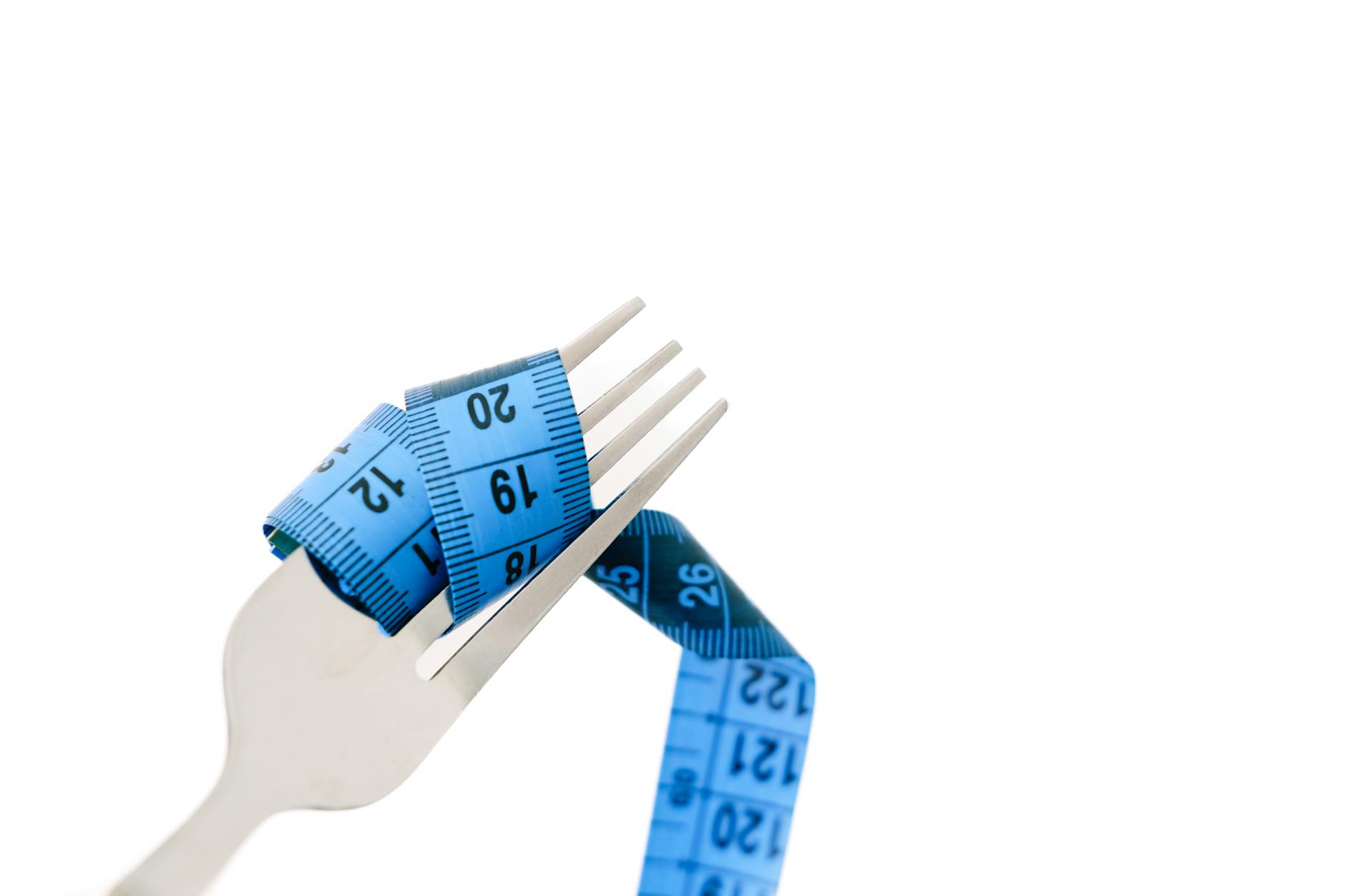
Losing weight isn’t just about eating less—it’s about understanding how your body burns energy. As we age, our metabolism changes, and so does the number of calories we need to lose weight effectively. Whether you’re in your 20s, 40s, or 60s, knowing how many calories you need to burn to lose a pound can help you create a plan that works with your body, not against it. In this complete guide, we’ll explore the science behind calorie loss, how aging affects metabolism, and how to calculate your own calorie needs by age to lose one pound safely and efficiently.
Understanding Calories and Weight Loss
At its core, weight loss comes down to a simple equation: calories in versus calories out. One pound of body fat equals approximately 3,500 calories. This means that to lose one pound, you must create a 3,500-calorie deficit—either by eating fewer calories, increasing physical activity, or both.
However, not everyone burns calories at the same rate. Your age, gender, activity level, and body composition all influence how many calories your body uses daily. Younger individuals tend to have higher metabolisms because they have more muscle mass and higher hormonal activity. As you get older, your metabolism gradually slows down.
How Aging Affects Calorie Needs
As we age, several physiological changes occur that impact how many calories we burn:
- Loss of muscle mass: Starting around age 30, people lose 3–8% of muscle mass per decade. Less muscle means fewer calories burned at rest.
- Slower metabolism: The body’s metabolic rate naturally declines with age due to hormonal changes and decreased activity.
- Changes in hormones: Hormones like testosterone, estrogen, and growth hormone drop over time, reducing calorie-burning potential.
- Reduced physical activity: Many people become less active with age, further decreasing daily energy expenditure.
Because of these factors, a calorie deficit that worked for you at 25 might not be as effective at 55.
How to Calculate Calories Needed to Lose a Pound by Age
To estimate your calorie needs, we start with your Basal Metabolic Rate (BMR)—the number of calories your body burns at rest to maintain vital functions like breathing and circulation. You then multiply that by your activity level to find your Total Daily Energy Expenditure (TDEE).
Here’s a general formula using the Mifflin-St Jeor Equation:
- Men: BMR = (10 × weight in kg) + (6.25 × height in cm) – (5 × age in years) + 5
- Women: BMR = (10 × weight in kg) + (6.25 × height in cm) – (5 × age in years) – 161
Once you have your BMR, multiply it by your activity factor:
- Sedentary (little or no exercise): BMR × 1.2
- Lightly active (1–3 days/week): BMR × 1.375
- Moderately active (3–5 days/week): BMR × 1.55
- Very active (6–7 days/week): BMR × 1.725
- Extra active (physical job or intense training): BMR × 1.9
This gives your TDEE—the approximate number of calories you burn daily. To lose one pound per week, you’ll need a 500-calorie deficit per day (500 × 7 = 3,500).
Calories Needed to Lose a Pound by Age Group
Let’s break down calorie needs for different age ranges, assuming average height, weight, and activity levels.
In Your 20s
Metabolism is at its peak, and the body efficiently burns calories due to higher muscle mass and hormone levels.
- Men: 2,500–3,000 calories/day to maintain weight.
- Women: 2,000–2,400 calories/day to maintain weight.
To lose one pound per week, reduce intake by about 500 calories daily (men: 2,000–2,500; women: 1,500–1,900).
In Your 30s
Muscle mass begins to slightly decline, especially if physical activity decreases.
- Men: 2,400–2,800 calories/day to maintain weight.
- Women: 1,800–2,200 calories/day to maintain weight.
To lose a pound weekly, aim for around 1,300–1,700 calories for women and 1,900–2,300 for men.
In Your 40s
Metabolism slows down noticeably due to hormonal shifts and muscle loss.
- Men: 2,200–2,600 calories/day to maintain weight.
- Women: 1,700–2,000 calories/day to maintain weight.
To lose a pound per week, reduce to 1,200–1,700 (women) and 1,700–2,100 (men). Strength training is key to maintaining muscle.
In Your 50s
The body’s calorie needs drop further as lean muscle declines and hormonal changes, such as menopause, alter fat distribution.
- Men: 2,000–2,400 calories/day to maintain weight.
- Women: 1,600–1,900 calories/day to maintain weight.
To lose a pound weekly, men should aim for 1,500–1,900 calories and women for 1,100–1,500 calories daily.
In Your 60s and Beyond
At this age, preserving muscle and joint health becomes just as important as managing calories.
- Men: 1,800–2,200 calories/day to maintain weight.
- Women: 1,400–1,700 calories/day to maintain weight.
To lose one pound per week, create a deficit of about 500 calories—focus on nutrient-dense foods to support overall health.
The Role of Exercise in Calorie Burn by Age
Your activity level significantly affects how many calories you burn and how easily you lose weight. Here’s how age influences exercise effectiveness:
- 20s: High-intensity workouts like HIIT, running, and weightlifting burn more calories and promote lean muscle gain.
- 30s: Focus on resistance training and cardiovascular balance to maintain muscle and metabolism.
- 40s: Strength training becomes vital to counter muscle loss; low-impact cardio like cycling or swimming protects joints.
- 50s: Combine light strength training, brisk walking, and flexibility exercises. Recovery time may increase.
- 60s+: Prioritize mobility, balance, and light resistance exercises to maintain function and independence.
Even small increases in activity—like walking 30 minutes daily—can make a major difference over time.
Macronutrients and Metabolism Support
Calorie counting is only part of the equation. What you eat influences how your body uses energy:
- Protein: Supports muscle retention, especially as you age. Aim for 0.8–1.0 grams per pound of body weight.
- Healthy fats: Regulate hormones and keep you satisfied. Include olive oil, nuts, and avocados.
- Complex carbs: Provide steady energy. Choose whole grains, fruits, and vegetables instead of processed options.
A diet rich in lean protein and fiber helps manage appetite and prevent overeating, making calorie control easier.
Practical Tips for Losing a Pound Safely at Any Age
- Set realistic goals: Aim for 1–2 pounds of weight loss per week.
- Track calories: Use a food tracking app or journal to stay aware of intake.
- Focus on movement: Add non-exercise activity like walking or gardening to increase daily burn.
- Lift weights: Muscle helps maintain metabolism and supports healthy aging.
- Stay hydrated: Dehydration can slow metabolism and make you feel fatigued.
- Sleep well: Poor sleep disrupts hunger hormones and can lead to overeating.
- Adjust as you age: Recalculate your calorie needs every few years or after major life changes.
Why Metabolism Slows With Age—and How to Fight It
Your metabolism slows roughly 1–2% per decade after 30. However, this doesn’t mean weight gain is inevitable. You can fight back by:
- Building muscle: Muscle burns calories even at rest.
- Staying active: Walk, swim, or bike daily to boost calorie expenditure.
- Eating enough protein: Protein helps preserve muscle tissue.
- Avoiding crash diets: Extreme calorie cuts lower your metabolism long-term.
Regular strength training can restore your body’s calorie-burning ability, making weight loss sustainable.
Sample Calorie Deficit Plan by Age
Here’s an example for a moderately active woman weighing 160 pounds and aiming to lose one pound weekly:
- Age 25: TDEE ≈ 2,200 calories → target intake = 1,700
- Age 35: TDEE ≈ 2,000 calories → target intake = 1,500
- Age 45: TDEE ≈ 1,850 calories → target intake = 1,350
- Age 55: TDEE ≈ 1,700 calories → target intake = 1,200
- Age 65: TDEE ≈ 1,550 calories → target intake = 1,050
Note: Never drop below 1,200 calories for women or 1,500 for men without medical supervision.
Why Weight Loss Slows With Age
Older adults often find weight loss slower even with the same effort. Here’s why:
- Less lean muscle mass means lower resting calorie burn.
- Lower activity levels reduce total daily energy expenditure.
- Hormonal changes increase fat storage, especially around the abdomen.
- Digestive changes may alter how nutrients are absorbed.
However, small, consistent habits—like walking after meals and strength training twice a week—can offset these effects.
The Importance of Patience and Consistency
Weight loss is rarely linear. Some weeks you’ll lose more, others less. What matters most is consistency over perfection. A modest calorie deficit sustained over months leads to lasting results. Rapid weight loss often leads to muscle loss and slower metabolism, making maintenance harder.
Healthy Aging and Sustainable Weight Management
Losing weight isn’t just about vanity—it’s about vitality. Maintaining a healthy body composition lowers the risk of chronic diseases like heart disease, diabetes, and arthritis. The key is balance: pairing calorie awareness with enjoyable movement and nutrient-rich food.
For seniors, muscle preservation, bone strength, and balance take priority. Even small amounts of strength training can significantly improve functional ability and longevity.
Key Takeaways: Calories Needed to Lose a Pound by Age
- One pound equals about 3,500 calories.
- Calorie needs decrease with age due to slower metabolism and lower activity.
- Create a daily 500-calorie deficit through diet and exercise for steady results.
- Focus on protein intake and muscle-building exercise to preserve metabolism.
- Avoid extreme diets; aim for sustainable, long-term progress.
Final Thoughts: Tailor Your Calorie Plan to Your Age
Understanding your body’s calorie needs by age is one of the smartest ways to lose weight effectively. Your metabolism isn’t your enemy—it’s simply adapting to your stage of life. By adjusting your calorie intake, staying active, and focusing on strength and nutrition, you can lose fat and maintain health at any age.
Weight loss isn’t about eating less—it’s about eating smarter, moving often, and giving your body what it needs to perform its best. Whether you’re 25 or 65, sustainable results come from patience, consistency, and balance.
Leave a Reply