
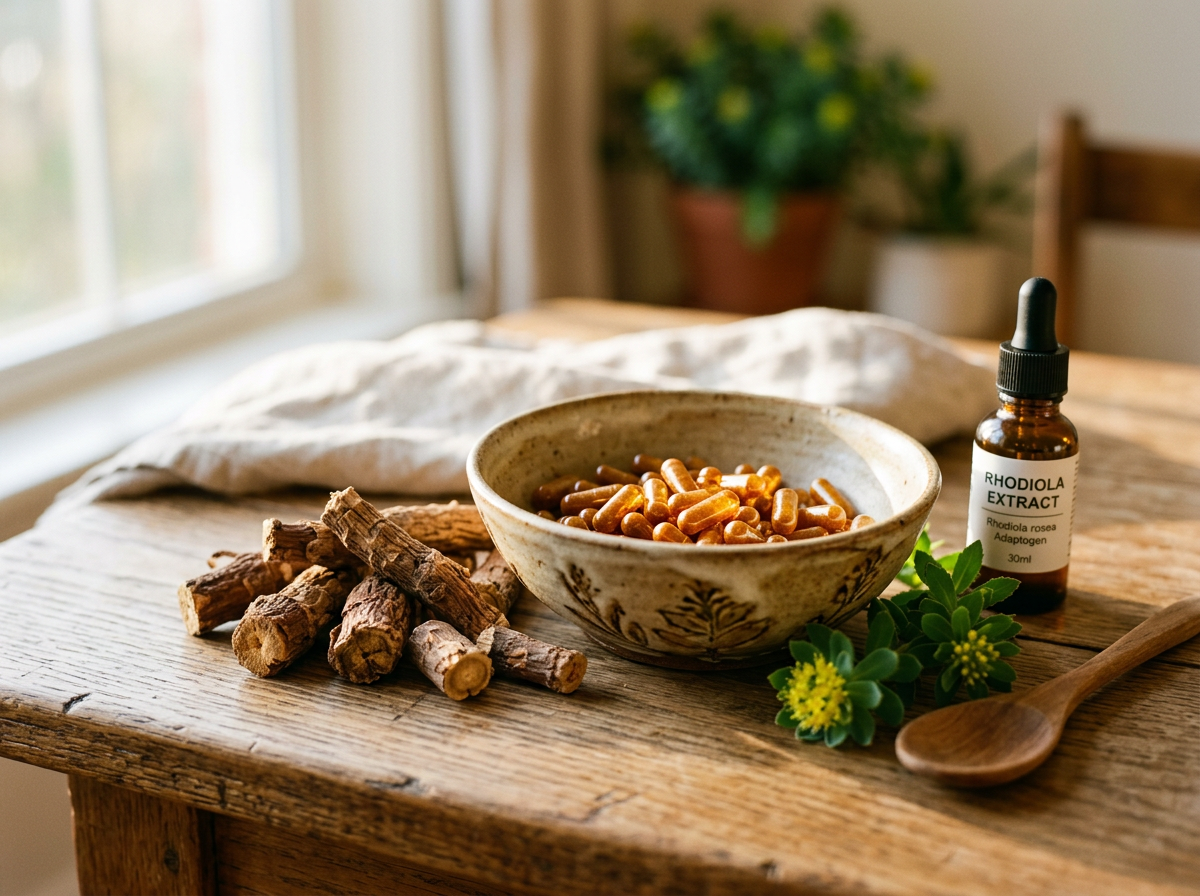
- Does Rhodiola Reduce Belly Fat? Understanding What the Science Really Says
- How Rhodiola Helps with Stress, Cortisol, and Belly Fat Storage
- Rhodiola for Energy, Workout Performance, and Metabolic Support
- How to Take Rhodiola for Belly Fat: Dosage, Timing, and Best Practices
- Best Rhodiola Supplements for Fat Loss, Energy, and Stress Support
- Final Verdict: Does Rhodiola Reduce Belly Fat and Should You Try It?
When it comes to losing stubborn belly fat, many people search for natural supplements that can help make the journey easier, more energized, and less stressful. One herb that often comes up in conversations about fat loss, energy, and stress management is rhodiola rosea. You may have heard that it can boost metabolism or even help shrink stubborn fat around the stomach. But how true are these claims? Does rhodiola reduce belly fat, or is it just another supplement with exaggerated hype?
In this guide, we’re breaking down everything you need to know in a friendly, beginner-focused, research-backed way. Whether you’re exploring rhodiola for the first time or you’re curious about how it might fit into your fitness routine, this article gives you the clarity and confidence to make the right choice for your health. A supplement is only ever one piece of the puzzle, though — if you want to pair rhodiola with movement that’s actually built for fat loss, our guide to the top 10 exercises that burn the most fat is a great next stop.
Let’s dive into the science, the benefits, the possibilities—and what you realistically can expect when using rhodiola to help achieve a leaner body.
Does Rhodiola Reduce Belly Fat? Understanding What the Science Really Says
The first and most important question is the one you probably came here for: Does rhodiola reduce belly fat? The straightforward answer is that rhodiola can indirectly help reduce belly fat, but it is not a direct fat-burning supplement in the traditional sense. Instead, its strongest effects are connected to stress reduction, improved energy levels, and metabolic support, all of which can contribute to a healthier body composition over time.
Research shows that rhodiola is an adaptogen, meaning it helps the body handle stress more effectively.1 This matters because stress can raise cortisol, a hormone that plays a major role in storing fat—especially around the belly.2 When cortisol levels stay high, your appetite tends to increase, cravings spike, and the body becomes more efficient at holding onto fat in the midsection.
By helping regulate the stress response, rhodiola can support healthier cortisol levels.1 When cortisol becomes more balanced, the body is less likely to accumulate fat around the stomach. This is why rhodiola is often included in fat-loss or energy support supplements.
However, it’s important to be clear: rhodiola works best as part of an overall lifestyle that includes good sleep, balanced nutrition, and physical activity. It’s not a magic belly-fat eraser. In fact, the National Institutes of Health notes that there still isn’t enough reliable evidence to say rhodiola is effective for any specific health purpose, and most human studies to date have been small or of low-to-moderate quality.3 Instead, the more accurate picture is that rhodiola may help create a hormonal environment that makes fat loss easier and more sustainable, rather than burning fat on its own.
If you’ve ever felt like you’re doing everything right but stress keeps sabotaging your progress, this herb can be a powerful tool.
How Rhodiola Helps with Stress, Cortisol, and Belly Fat Storage
To understand how rhodiola can influence belly fat, we need to talk about cortisol. Cortisol is often called the “stress hormone,” and while it is not inherently bad, chronically elevated levels can slow fat loss and shift more fat storage to the abdominal area.2
Rhodiola helps reduce mental and physical fatigue, supports stress resilience, and helps the body maintain balanced cortisol patterns.4 Here’s why that matters for belly fat:
When stress goes down, emotional eating becomes easier to manage. Men and women who struggle with belly fat often report that stress leads them to snack more, crave sugar, or eat late at night. By supporting calmer mood and steadier energy, rhodiola helps break this cycle.
When cortisol stabilizes, metabolism improves. Chronic stress slows metabolic function and encourages the body to hold onto fat, particularly around the abdomen, since abdominal fat tissue has a higher concentration of cortisol receptors than fat elsewhere in the body.2 Rhodiola’s support for cortisol balance creates a more favorable environment for fat loss.
When energy increases, workouts become more effective. One of rhodiola’s best-known benefits is boosting endurance, stamina, and exercise performance. This doesn’t just help during workouts—it helps with consistency, which is the number-one predictor of long-term fat loss.
So while rhodiola isn’t burning belly fat directly, it influences the systems that control how easily your body can lose weight, where it stores fat, and how motivated you feel to stay active.
In fact, many people report that they feel more energized, less overwhelmed, and more motivated to exercise within days of starting rhodiola. When your mindset improves, your results tend to follow.
Rhodiola for Energy, Workout Performance, and Metabolic Support
One of the reasons rhodiola is so popular among fitness enthusiasts is its impact on physical and mental performance. People often describe it as providing smooth, stable energy without jitters or a crash. This matters more than it might seem for belly-fat reduction.
Better workouts burn more calories. Rhodiola has been studied for its ability to improve stamina, reduce perceived exertion, and support muscle endurance. In one placebo-controlled study of resistance-trained adults, short-term rhodiola supplementation increased bar velocity during bench press, suggesting a measurable boost in power output during strength training.5 This means you can potentially push harder during workouts, leading to higher calorie burn and more fat loss over time.
Improved recovery keeps you consistent. Many people lose progress because fatigue, soreness, or burnout makes them skip workouts. Some research suggests rhodiola may help mitigate these roadblocks, which could directly support long-term fat-loss efforts, though findings across studies have been mixed and not every trial has shown a clear benefit.4
Sharper focus reduces workout “drift.” Have you ever gone to the gym and spent half the time trying to get mentally ready before starting? Some rhodiola research points to sharper focus, which could help make every minute of your workout count.
Better metabolic stability equals easier fat loss. When energy levels stabilize throughout the day, blood sugar tends to follow. More stable blood sugar means fewer cravings, improved appetite control, and reduced tendency to snack on high-calorie comfort foods.
If weight loss feels difficult because you lack energy, rhodiola may help bridge that gap. It’s not a stimulant like caffeine, but it offers a clean, natural push that some people find improves performance while supporting calmness and clarity.
How to Take Rhodiola for Belly Fat: Dosage, Timing, and Best Practices
To get the best results, you need to take rhodiola the right way. It works quickly, but consistency and timing make a major difference in how effective it will be.
Best Dosage for Beginners
Most research uses a dosage between 200 and 400 mg per day of standardized rhodiola rosea extract. Beginners often start on the lower end and increase if needed.
When to Take Rhodiola
Because rhodiola helps increase energy and focus, the best time to take it is usually:
- in the morning
- before exercise
- or during early afternoon when energy dips
Taking it too late in the day may make falling asleep more difficult for some people, especially those sensitive to energizing herbs.
How Long It Takes to See Results
Some people feel the benefits within the first week. Stress reduction, better energy, and improved performance are often noticeable early. Belly-fat reduction, however, is gradual and depends on consistent use alongside smart lifestyle habits such as proper nutrition and training.
Stacking Rhodiola with Other Fat-Loss Supplements
Rhodiola pairs well with:
- green tea extract
- ashwagandha
- l-carnitine
- B vitamins
- magnesium
These ingredients complement rhodiola’s effects on energy, stress, and metabolic function. However, you should avoid stacking it with multiple stimulant-heavy products unless you’re familiar with how your body responds.
Who Should Avoid Rhodiola
If you have certain medical conditions or take medications for mood, blood pressure, or immune health, you should talk with a doctor first. While rhodiola is generally considered safe for short-term use (up to about 12 weeks) in most healthy adults, long-term safety data is limited, and it can be stimulating for those who are very sensitive to herbs.3
Best Rhodiola Supplements for Fat Loss, Energy, and Stress Support
Below are our recommendations for the Best Rhodiola Supplements for Fat Loss, Energy, and Stress Support. These selections are based on ingredient quality, standardization, and third-party testing.
🏆 Best Overall Rhodiola Supplement

Nature’s Way Rhodiola Rosea Standardized Extract
This supplement uses a well-studied extract and standardized amount of rosavins, making it consistent and reliable for energy and stress reduction.
🏆 Best High-Potency Rhodiola

NOW Foods Rhodiola Rosea 500 mg
A stronger formula for those seeking more pronounced benefits in stamina, performance, and stress resilience.
🏆 Best Adaptogen Blend with Rhodiola

Gaia Herbs Rhodiola Rosea
A clean, plant-based extract that pairs well with other adaptogens for overall wellness and metabolic support.
🏆 Best Rhodiola for Energy and Focus

Life Extension Rhodiola Extract
Great for people who want a smooth energy boost and mental clarity during work or exercise.
🏆 Best Budget-Friendly Rhodiola

NutraChamps Rhodiola Rosea
An affordable option that still offers strong potency and quality extracts, making it great for beginners.
Final Verdict: Does Rhodiola Reduce Belly Fat and Should You Try It?
So, after all the science, the benefits, and the real-world results, let’s return to the main question: Does rhodiola reduce belly fat?
The honest and accurate answer is that rhodiola may help indirectly by supporting the systems that influence belly-fat accumulation. Early research suggests it may help manage cortisol, support workout performance, stabilize energy, and improve mental resilience—all of which play important roles in reducing abdominal fat. That said, it’s worth repeating that large, high-quality human trials specifically on rhodiola and belly fat are still lacking, so these connections are best understood as promising rather than proven.3
If you are expecting a miracle supplement that melts belly fat without any effort, rhodiola isn’t that. But if you want a natural tool that may make fat loss feel easier, supports energy, and helps keep you consistent, rhodiola is one of the more researched adaptogens to consider adding to your routine.
It’s especially worth exploring if you:
- deal with stress-related weight gain
- struggle with low energy
- find your appetite spikes during stressful moments
- feel easily fatigued during workouts
- want a natural mood and performance boost
When paired with healthy nutrition, regular exercise, and proper rest, rhodiola may become a helpful addition to a broader plan for losing stubborn belly fat and improving overall well-being.
Think of it as a supportive teammate rather than the star of the show. It may help enhance your efforts and steady your mindset—but the foundation still comes down to consistent training, nutrition, and sleep. If you’re curious about trying it, starting with a high-quality, standardized rhodiola extract and talking to your doctor first is the best way to see whether it’s a good fit for you.
References
- Łuszczak J, Kocki J. Clinical evidence for the adaptogenic effects of Withania somnifera and Rhodiola rosea – A systematic review with molecular interpretation of psychometric outcomes. Annals of Agricultural and Environmental Medicine. 2025. doi:10.26444/aaem/213417. Read the study
- Björntorp P. Is visceral obesity a physiological adaptation to stress? Obesity Reviews. 2001. PMID: 14618117. View on PubMed
- National Center for Complementary and Integrative Health (NCCIH), National Institutes of Health. “Rhodiola: Usefulness and Safety.” Reviewed fact sheet. View on NCCIH
- Ishaque S, Shamseer L, Bukutu C, Vohra S. Rhodiola rosea for physical and mental fatigue: a systematic review. BMC Complementary and Alternative Medicine. 2012;12:70. Read the study on PMC
- Williams TD, Langley HN, Roberson CC, Rogers RR, Ballmann CG. Effects of Short-Term Golden Root Extract (Rhodiola rosea) Supplementation on Resistance Exercise Performance. International Journal of Environmental Research and Public Health. 2021;18(13):6953. doi:10.3390/ijerph18136953. Read the study on PMC
This article is for general informational and educational purposes only and is not intended as medical advice. Rhodiola rosea and other supplements are not evaluated by the FDA for safety or effectiveness in the same way medications are, and current research on rhodiola is limited, mixed, and often based on small studies. Always talk with your doctor or another qualified healthcare provider before starting rhodiola or any new supplement, especially if you are pregnant or breastfeeding, have an existing medical condition, or take prescription medications (including those for mood, blood pressure, or immune health), as interactions are possible. This article does not replace personalized medical advice, diagnosis, or treatment, and individual results from any supplement can vary significantly.
Leave a Reply