Let’s be honest: there’s nothing quite like the feeling of conquering a mountain trail or completing a challenging long-distance walk, only to realize your stomach has been staging a protest for the last two miles. You reach into your pack, hoping for sustenance, and pull out a sad, squished granola bar that’s approximately 90% oats and 10% disappointment. We’ve all been there, friend.
The truth is, when you’re logging serious miles on the trail, your body needs more than just carbohydrates to keep moving. Protein is the unsung hero of endurance activities, helping repair muscle tissue, maintain energy levels, and keep you feeling satisfied between meals. While carbs provide that quick energy burst to power you up steep inclines, protein works behind the scenes to ensure your muscles don’t stage a mutiny somewhere around mile seven.
But here’s where many hikers get stuck. The intersection of “high protein,” “tasty,” “lightweight,” and “won’t spoil in my backpack” seems like some mythical place that exists only in outdoor magazine fantasies. Good news: it’s not. Whether you’re tackling a weekend backpacking trip or training for a thru-hike, having a arsenal of easy high-protein snack ideas for hikers and long-distance walkers can transform your trail experience from “just surviving” to actually thriving.
Why Protein Matters More Than You Think on the Trail
Before we dive into the delicious options awaiting you, let’s talk about why protein deserves a prime spot in your pack. When you’re hiking for hours, your body is essentially running a very slow, very scenic marathon. Your muscles are constantly working, and all that effort creates microscopic tears in muscle fibers. Protein swoops in like a construction crew, repairing that damage and helping you build stronger, more resilient muscles over time.
Research suggests that endurance athletes benefit from consuming roughly 0.5 to 0.7 grams of protein per pound of body weight daily. For a 150-pound hiker, that’s about 75 to 105 grams spread throughout the day. While you’ll get much of this from your main meals, strategic snacking helps maintain steady energy levels and prevents that dreaded mid-afternoon crash when you still have three miles to camp.
Beyond muscle repair, protein helps regulate blood sugar levels more effectively than carbohydrates alone. Ever experienced that sugar spike-and-crash rollercoaster from eating too many gummy bears on the trail? Protein mellows out that ride, providing more sustained energy that doesn’t leave you face-down in a pile of pine needles thirty minutes later. It also promotes satiety, meaning you’ll feel fuller longer and won’t be stopping every twenty minutes to forage in your snack bag like a desperate squirrel.
Jerky and Dried Meat: The Classic Trail Protein
Let’s start with the OG of hiking snacks. Jerky has been fueling adventurers since long before REI existed, and for good reason. It’s lightweight, shelf-stable, protein-dense, and satisfying in a primal, “I’m conquering this wilderness” kind of way. A single ounce of beef jerky typically packs around 9 to 12 grams of protein, making it one of the most efficient protein sources per ounce.
Traditional beef jerky works beautifully, but don’t sleep on the alternatives. Turkey jerky offers a leaner option with similar protein content, while salmon jerky brings those omega-3 fatty acids along for the ride (your joints will thank you after all those miles). For the adventurous, bison or elk jerky provides an even richer flavor profile, though your wallet might protest slightly.
The key to jerky success is finding brands or recipes that aren’t loaded with sugar or excessive sodium. While some salt is beneficial for replacing electrolytes lost through sweat, you don’t want to spend your entire hike feeling like you’re auditioning for a camel cosplay. Look for options with recognizable ingredients and ideally no more than 300 to 400 milligrams of sodium per serving.
If you’re feeling crafty, making your own jerky at home can be both economical and delicious. You control the ingredients, can customize flavors to your preferences, and it’s honestly pretty fun to tell people you’re a “jerky artisan.” A dehydrator makes the process simple, but you can also use an oven set to its lowest temperature. Slice meat thinly against the grain, marinate overnight in your favorite blend of soy sauce, worcestershire, spices, and just a touch of sweetness, then dry for several hours until it’s bendy but not brittle.
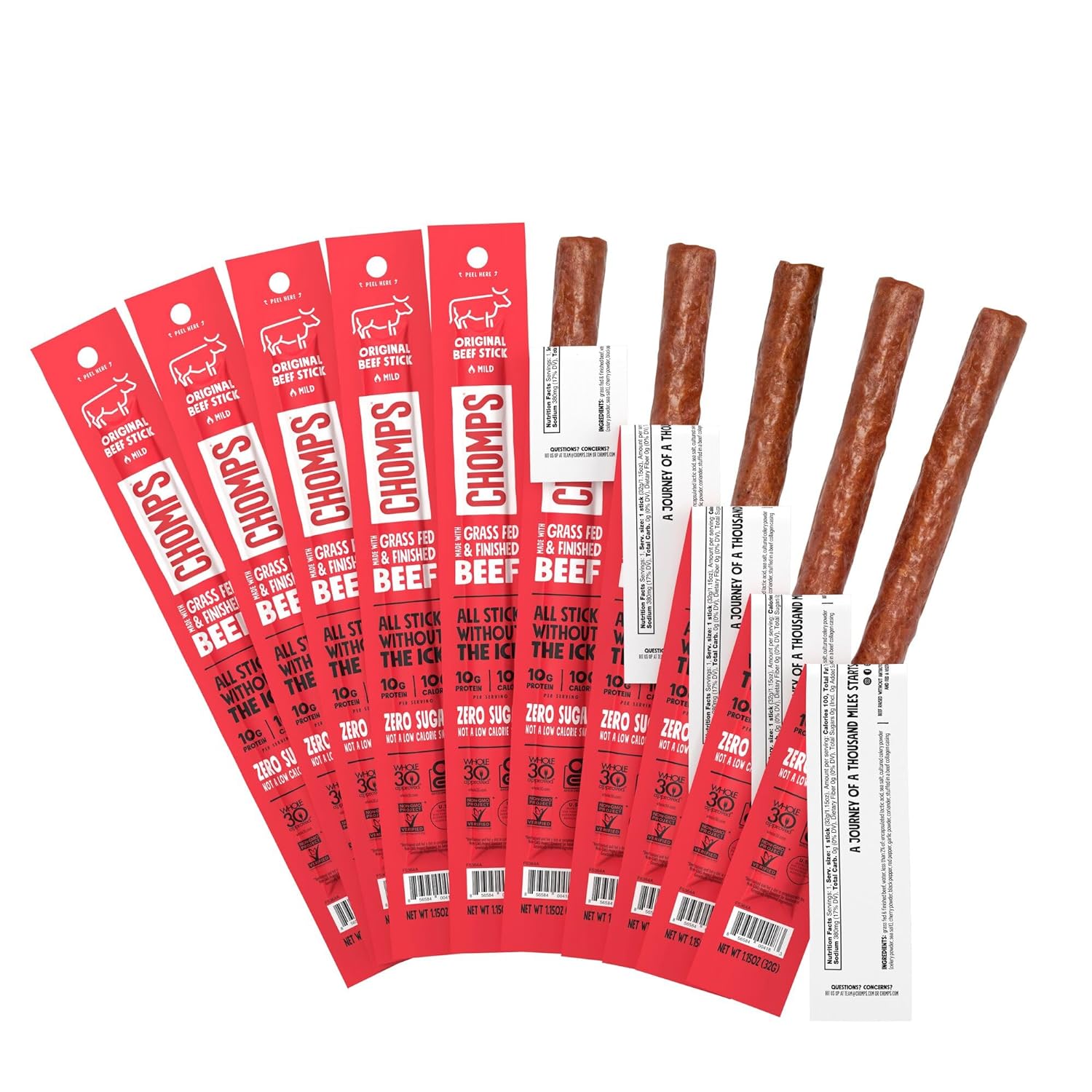
🏆 High Protein Jerky Top Pick: Chomps
Each satisfying 1.15 oz Original Beef Jerky snack stick is made with high quality, real ingredients, has 10 grams of protein, zero sugar, and just 100 calories. The perfect snack you can feel good about anytime, anywhere.

Nut Butters and Protein-Packed Spreads
If jerky is the rugged cowboy of trail snacks, nut butters are the smooth-talking diplomat. They’re versatile, calorie-dense, and can transform boring crackers or tortillas into legitimate trail meals. A standard two-tablespoon serving of peanut butter contains about 8 grams of protein, plus healthy fats that provide long-lasting energy. Almond butter ups the ante slightly with additional vitamin E and magnesium, both helpful for muscle function.
The beauty of nut butters lies in their portability options. Squeeze pouches have revolutionized the nut butter game, making it possible to fuel up without needing utensils or risking a jar-splosion in your pack. You can squeeze them directly into your mouth during a quick break, or onto whole grain crackers, apple slices, or tortillas for a more civilized eating experience. Some hikers swear by the “tortilla wrap of destiny” strategy: spread nut butter on a tortilla, add a drizzle of honey, sprinkle with granola, roll it up, and you’ve got a handheld meal that would make a food truck proud.
Beyond traditional nut butters, don’t overlook seed butters like sunflower or pumpkin seed butter. These are excellent alternatives for anyone with tree nut allergies and offer similar protein content with unique mineral profiles. Tahini, made from sesame seeds, brings about 5 grams of protein per serving along with a distinctive earthy flavor that pairs surprisingly well with sweet or savory toppings.
For those seeking next-level protein content, powdered peanut butter is a game-changer. With most of the fat removed, the protein becomes more concentrated, offering around 6 grams per two-tablespoon serving at roughly half the calories. Reconstitute it with water for spreading, or mix it into oatmeal and protein shakes at camp. Some hikers even eat it dry for a quick protein hit, though your mouth might feel like the Sahara afterward.
🏆 High Protein Nut Butter Top Pick: Nakee
Grab a cacao peanut butter spread that fuels your active lifestyle. This cacao peanut butter spread is packed with 12 grams of protein and one serving of C8 MCT oil to support the activities of high-performing humans like you.

Cheese and Dairy-Based Options That Actually Work
“But cheese needs refrigeration!” I hear you crying. Not necessarily, my dairy-loving friend. While your standard cheddar might turn into a science experiment after a few days in a warm pack, several cheese varieties are remarkably trail-worthy. Hard cheeses like aged parmesan, aged gouda, or manchego can survive surprisingly long without refrigeration thanks to their low moisture content. That rind exists for a reason, and it’s not just to make you feel fancy.
An ounce of hard cheese typically delivers 7 to 9 grams of protein along with calcium for bone health. Pair it with whole grain crackers or a crisp apple, and you’ve got a snack that would be at home on a charcuterie board but works equally well at 8,000 feet. The combination of protein, fat, and carbohydrates provides balanced energy that sustains you through challenging sections of trail.
For longer trips, individually wrapped cheese sticks or rounds are your friends. String cheese, while not sophisticated, remains stable for several days and provides convenient, portion-controlled protein. Mini Babybel rounds come in their own protective wax coating, making them practically indestructible. Pro tip: eat these earlier in your trip rather than saving them for day five.
If you’re lactose-intolerant or simply want shelf-stable dairy protein without the weight, whey protein isolate powder is incredibly efficient. Though it requires water for consumption, carrying a small container and mixing a shake during breaks can deliver 20 to 25 grams of protein in a single serving. Chocolate or vanilla flavors can double as dessert substitutes, satisfying sweet cravings while serving your nutritional goals. Some hikers even mix protein powder into their morning oatmeal or coffee for a breakfast boost.
🏆 High Protein Cheese Snack Top Pick: Moon Cheese Cheddar Believe It
100% real cheddar cheese with a BIG crunch; 11g of protein and 25% DV Calcium mean they’re good for you, kids, school lunches, commute, any time your life needs crunch.

Energy Balls and Homemade Trail Mix Creations
Let’s talk about energy balls, also known as protein bites, bliss balls, or “those delicious spheres of hiking joy.” These no-bake creations combine protein sources like nut butter, protein powder, and seeds with binders like oats and honey, creating portable snacks that taste like dessert but function like fuel. A single ball typically contains 3 to 5 grams of protein, meaning three or four can contribute meaningfully to your daily intake.
The base formula is beautifully simple: combine one cup of oats, half a cup of nut butter, a third cup of honey or maple syrup, and a quarter cup of protein powder. Mix thoroughly, roll into balls, and refrigerate until firm. From there, the customization possibilities are endless. Add dark chocolate chips for antioxidants and happiness. Throw in chia seeds or hemp hearts for extra protein and omega-3s. Dried cranberries or cherries provide a tart contrast to rich nut butter. Coconut flakes add texture and tropical vibes.
The beauty of making these at home is controlling exactly what goes into your body. Commercial energy bars often contain mysterious ingredients and enough added sugar to fuel a small city. Homemade versions let you balance sweetness with nutrition, using dates or mashed banana instead of corn syrup. They typically last five to seven days at room temperature, making them perfect for weekend trips or the first few days of longer adventures.
Trail mix deserves its own mention here as a protein vehicle that’s infinitely customizable. The key is approaching it strategically rather than just dumping together whatever’s in your pantry. Start with a protein-rich nut base like almonds, cashews, or walnuts. Add protein-forward seeds like pumpkin seeds or sunflower seeds. Include some dark chocolate chips or cacao nibs for flavor and those delightful plant compounds that benefit cardiovascular health. Dried edamame adds crunch and about 14 grams of protein per ounce.
🏆 High Protein Protein Ball Snack Top Pick: simplyFUEL Whole-Food Protein Balls
simplyFUEL Protein Balls are the perfect whole food protien snack, offering an ideal combination of protein, healthy fats and carbs. Each serving packs 8 grams of protein into pure deliciousness.

Unconventional Protein Sources for Creative Trail Snackers
Now for the fun part: protein sources that might not immediately come to mind but work brilliantly on the trail. Roasted chickpeas, for instance, deliver about 6 grams of protein per ounce along with fiber and complex carbohydrates. Season them with everything from sweet cinnamon to spicy sriracha, and you’ve got a crunchy snack that’s far more interesting than another handful of peanuts. They’re lightweight, won’t melt, and provide satisfying crunch without dental emergencies.
Seaweed snacks might sound weird, but hear me out. While not super high in protein themselves, they’re nearly weightless, provide iodine and other minerals, and pair excellently with high-protein items like eggs or nuts. Plus, they make you feel vaguely like a sophisticated sea creature, which somehow enhances the outdoor experience.
Hard-boiled eggs are criminally underrated for shorter day hikes. One egg provides 6 grams of complete protein containing all essential amino acids, plus choline for brain function. They’ll last a day without refrigeration if kept cool and in their shells. Just eat them earlier rather than later, and maybe warn your hiking partners before unleashing that particular aroma on the trail.
Preparation is everything. Don’t wait until the night before your trip to assemble snacks. Test your options during training hikes to see what sits well in your stomach during activity. Some foods that taste great at home become unpalatable or cause digestive issues when you’re working hard. Learn your personal preferences and limitations before you’re committed to eating seventeen protein bars that suddenly taste like punishment.
Leave a Reply