
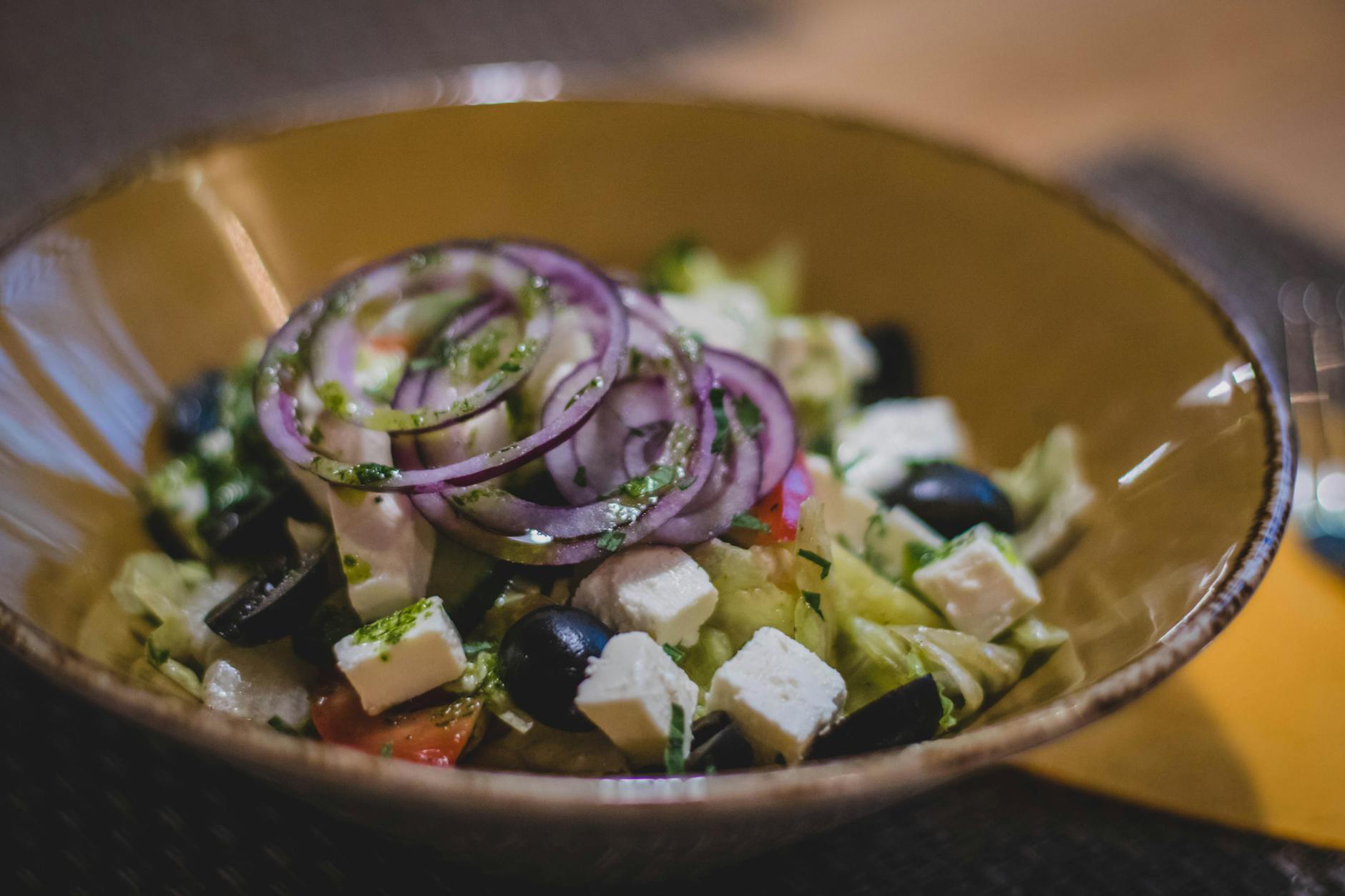
If you’ve been curious about the Mediterranean diet but weren’t sure where to start, this guide gives you a simple, realistic Mediterranean diet meal plan for one full week. No complicated rules, no expensive specialty ingredients, just real meals built around real food.
What makes the Mediterranean diet different from most “diets” is that it isn’t really a diet at all. It’s an eating pattern based on the traditional foods of countries bordering the Mediterranean Sea: plenty of vegetables, fruit, whole grains, beans, olive oil, and fish, with smaller amounts of dairy, poultry, and red meat. There’s no calorie counting required and no foods that are strictly off-limits.
People usually come to this way of eating for a few reasons: heart health, easier weight management, and just wanting a more balanced way to eat day to day. And if longevity is part of what drew you here, it’s worth knowing the Mediterranean diet shares a lot of DNA with the eating habits found in the world’s Blue Zones, the regions where people tend to live the longest, healthiest lives.
7-Day Mediterranean Diet Meal Plan
Here’s a full week of meals, organized around five themes: an easy start, a high-protein day, a budget-friendly day, a quick-and-easy day, a family-friendly day, a day of Mediterranean favorites, and a simple Sunday. Feel free to swap meals between days or repeat your favorites.

Day 1 — Easy Start
| Meal | What to Eat | Calories | Protein | Prep Time |
|---|---|---|---|---|
| Breakfast | Greek yogurt with honey, walnuts, and sliced berries | ~320 | 18g | 5 min |
| Lunch | Whole-grain pita with hummus, cucumber, tomato, and feta | ~450 | 16g | 10 min |
| Dinner | Baked salmon, roasted vegetables, and a side of quinoa | ~520 | 34g | 30 min |
| Snack | A small handful of almonds and an orange | ~200 | 6g | 1 min |
Day 2 — High-Protein
| Meal | What to Eat | Calories | Protein | Prep Time |
|---|---|---|---|---|
| Breakfast | Vegetable and feta omelet with whole-grain toast | ~400 | 24g | 10 min |
| Lunch | Grilled chicken over a Greek salad with olive oil dressing | ~480 | 36g | 15 min |
| Dinner | Lentil and vegetable stew with a side of grilled shrimp | ~500 | 32g | 30 min |
| Snack | Cottage cheese with sliced cucumber and olive oil | ~180 | 16g | 3 min |
Day 3 — Budget-Friendly
| Meal | What to Eat | Calories | Protein | Prep Time |
|---|---|---|---|---|
| Breakfast | Oatmeal with cinnamon, banana, and a spoon of peanut butter | ~370 | 11g | 5 min |
| Lunch | White bean and vegetable soup with whole-grain bread | ~420 | 15g | 20 min |
| Dinner | Baked chicken thighs with roasted potatoes and green beans | ~500 | 30g | 35 min |
| Snack | Canned tuna on whole-grain crackers | ~190 | 14g | 3 min |
Day 4 — Quick & Easy
| Meal | What to Eat | Calories | Protein | Prep Time |
|---|---|---|---|---|
| Breakfast | Whole-grain toast with avocado and a boiled egg | ~350 | 13g | 8 min |
| Lunch | Canned sardines or tuna over mixed greens with olive oil | ~400 | 26g | 8 min |
| Dinner | Sheet-pan chicken, chickpeas, and roasted peppers | ~480 | 33g | 25 min |
| Snack | Baby carrots and hummus | ~150 | 5g | 2 min |
Day 5 — Family-Friendly
| Meal | What to Eat | Calories | Protein | Prep Time |
|---|---|---|---|---|
| Breakfast | Whole-grain pancakes topped with fresh fruit | ~380 | 9g | 15 min |
| Lunch | Turkey and vegetable wrap with a side salad | ~440 | 25g | 10 min |
| Dinner | Whole-wheat pasta with marinara, ground turkey, and vegetables | ~540 | 30g | 25 min |
| Snack | Sliced apple with a small handful of walnuts | ~180 | 4g | 2 min |
Day 6 — Mediterranean Favorites
| Meal | What to Eat | Calories | Protein | Prep Time |
|---|---|---|---|---|
| Breakfast | Shakshuka (eggs poached in spiced tomato sauce) | ~350 | 17g | 20 min |
| Lunch | Falafel with tzatziki, tomato, and whole-grain pita | ~460 | 15g | 15 min |
| Dinner | Grilled fish with a Greek salad and roasted eggplant | ~510 | 32g | 30 min |
| Snack | Olives and a small piece of cheese | ~170 | 6g | 1 min |
Day 7 — Simple Sunday
| Meal | What to Eat | Calories | Protein | Prep Time |
|---|---|---|---|---|
| Breakfast | Smoothie with Greek yogurt, spinach, banana, and berries | ~330 | 18g | 5 min |
| Lunch | Leftovers from earlier in the week (a great way to reduce waste) | Varies | Varies | 5 min |
| Dinner | Roast chicken with a big vegetable medley and brown rice | ~500 | 35g | 45 min |
| Snack | Fresh figs or grapes with a few almonds | ~160 | 4g | 1 min |
Mediterranean Diet Grocery List
Here’s a checklist covering everything used across this week’s plan. Check off what you already have, then shop for the rest.

🥬 Vegetables & fruit
- [ ] Spinach, mixed greens, cucumber, tomatoes, bell peppers, eggplant
- [ ] Onions, garlic, carrots, green beans, potatoes
- [ ] Bananas, berries, oranges, apples, figs or grapes
🫘 Beans & legumes
- [ ] Chickpeas, white beans, lentils, hummus
🌾 Whole grains
- [ ] Quinoa, brown rice, whole-grain bread, whole-grain pasta, whole-grain crackers, oats, whole-grain pita
🐟 Fish & seafood
- [ ] Salmon, white fish fillets, shrimp, canned tuna, canned sardines
🍗 Poultry & eggs
- [ ] Chicken breasts and thighs, ground turkey, eggs
🫒 Healthy fats
- [ ] Extra virgin olive oil, almonds, walnuts, avocado, olives
🥛 Dairy
- [ ] Greek yogurt, feta cheese, cottage cheese, a small block of cheese
🌿 Herbs, spices & pantry staples
- [ ] Cinnamon, oregano, cumin, paprika, peanut butter, marinara sauce, honey
How to Follow the Mediterranean Diet
Foods to eat most often: vegetables, fruit, whole grains, beans and legumes, nuts, and olive oil. These should make up the bulk of most meals.
Foods to eat moderately: fish and seafood (aim for at least twice a week), poultry, eggs, and dairy like yogurt and cheese.
Foods to limit: red meat, processed meat, refined carbohydrates like white bread, and foods with added sugar. These aren’t banned, they’re just eaten less often, typically a few times a month rather than daily.[3]
How to build a balanced Mediterranean plate: fill about half your plate with vegetables, a quarter with whole grains or starchy vegetables, and a quarter with a protein source like fish, beans, or chicken. Finish with a drizzle of olive oil.
Portion guidance without complicated calorie counting: the Mediterranean diet was never designed around strict calorie tracking.[3] A simpler approach is to eat until you’re comfortably satisfied (not stuffed), prioritize vegetables and fiber-rich foods first, and pay attention to your own hunger cues rather than a number on a label.
Easy Mediterranean Meal-Prep Tips
60-minute weekly prep strategy. Set aside one hour on a weekend day. Use that time to batch-cook grains, roast a tray of vegetables, and prep any sauces you’ll use throughout the week.
Batch-cook grains and proteins. Cook a large batch of quinoa or brown rice and a protein like grilled chicken or baked salmon at the start of the week. Both keep well in the fridge for 3–4 days.
Prep vegetables ahead. Wash and chop vegetables for salads and roasting as soon as you get home from the store, so they’re ready to grab on busy nights.
Make versatile sauces and dressings. A simple olive oil, lemon, and garlic dressing works on salads, grain bowls, and roasted vegetables alike, so one batch stretches across several meals.
Use leftovers to reduce cooking time. Roasted chicken from one dinner becomes tomorrow’s lunch wrap. Extra grains become the base of a new bowl. Building in a “leftovers night” (like Day 7 above) cuts down on both cooking time and food waste.
Mediterranean Diet Substitutions
| Swap This | For This |
|---|---|
| Fish | Chicken or beans |
| Greek yogurt | Dairy-free yogurt |
| Quinoa | Brown rice |
| Fresh vegetables | Frozen vegetables |
| Salmon | Canned tuna or sardines |
Is the Mediterranean Diet Good for Weight Loss?
The Mediterranean diet can support weight loss, but it’s not a guaranteed fast track to it. Because the diet is naturally high in fiber (from vegetables, fruit, and whole grains) and includes plenty of protein, many people find it easier to feel satisfied while eating fewer overall calories, which can support a calorie deficit without strict tracking.
That said, the research is more measured than a lot of headlines suggest. A systematic review of long-term randomized controlled trials found that the Mediterranean diet produced weight loss results similar to, not dramatically better than, other reduced-calorie diets like low-fat or low-carb approaches.[2] In other words, it’s a genuinely healthy, sustainable way to eat, but portions and overall calorie intake still matter, even with “healthy” foods like olive oil and nuts, which are nutritious but calorie-dense.
If weight loss is your goal, think of the Mediterranean diet as a strong foundation you can pair with reasonable portions, not a magic formula that guarantees results on its own.
Frequently Asked Questions
What do you eat on a Mediterranean diet for 7 days? A mix of vegetables, fruit, whole grains, beans, fish, olive oil, and modest amounts of poultry, eggs, and dairy, following a Mediterranean diet meal plan similar to the one above, with red meat and sweets kept occasional.
Can I lose weight on a Mediterranean diet? Yes, many people do, especially when it replaces a diet higher in processed foods and refined carbs. Just know that portion size and total calorie intake still play a role; the diet supports weight loss, it doesn’t guarantee it.[2]
What are the 10 foods you should eat most on a Mediterranean diet? Olive oil, leafy greens, tomatoes, whole grains, beans and lentils, nuts, fish (especially fatty fish like salmon), garlic, fresh fruit, and herbs like oregano and basil.
What foods are not allowed on the Mediterranean diet? Nothing is technically “not allowed.” The diet simply encourages limiting processed meats, refined carbohydrates, and foods with added sugar to occasional treats rather than daily staples.
Can I eat eggs, chicken, and dairy? Yes. Eggs, poultry, and dairy like yogurt and cheese are all part of the Mediterranean diet; they’re just eaten in more moderate amounts than vegetables, whole grains, and healthy fats.
How much does a Mediterranean diet meal plan cost? It can fit almost any budget. Beans, whole grains, frozen vegetables, and canned fish (like tuna and sardines) are some of the most affordable staples in the entire diet, which is part of why the Day 3 “Budget-Friendly” plan above leans on them.
Is the Mediterranean diet good for beginners? Yes. Because it’s flexible rather than restrictive, it’s one of the easier eating patterns to start and stick with, especially compared to diets that eliminate entire food groups.
Final Takeaway
The Mediterranean diet isn’t a rigid set of rules, it’s a flexible eating pattern you can shape around your own taste, budget, and schedule. You don’t need to follow this exact 7-day plan meal for meal. Repeat the days you enjoyed most, swap in the substitutions that fit your kitchen, and build a routine you can actually stick with long-term. That consistency, more than any single “perfect” meal, is what makes this way of eating work.
References
[^1]: Estruch R, et al. “Primary Prevention of Cardiovascular Disease with a Mediterranean Diet Supplemented with Extra-Virgin Olive Oil or Nuts” (the PREDIMED trial), New England Journal of Medicine, 2018 republished analysis. Found a 30% relative risk reduction in major cardiovascular events among those following a Mediterranean diet. Read the summary from Harvard’s Nutrition Source
[^2]: Mancini JG, et al. “Systematic Review of the Mediterranean Diet for Long-Term Weight Loss.” The American Journal of Medicine, 2016. Found the Mediterranean diet produced weight loss similar to comparator diets in overweight or obese individuals over 12+ months. Read the study
[^3]: “Diet Review: Mediterranean Diet.” Harvard T.H. Chan School of Public Health, The Nutrition Source. Read the full guide
This article is for general informational and educational purposes only and is not intended as medical or nutritional advice. It is not a substitute for guidance from a doctor or registered dietitian. Individual nutrition needs vary based on health conditions, medications, allergies, and other factors, so consult a qualified healthcare provider before making significant changes to your diet, especially if you have diabetes, kidney disease, food allergies, or are pregnant or breastfeeding. Calorie and protein values listed in this meal plan are estimates and will vary based on specific ingredients, brands, and portion sizes.
Leave a Reply