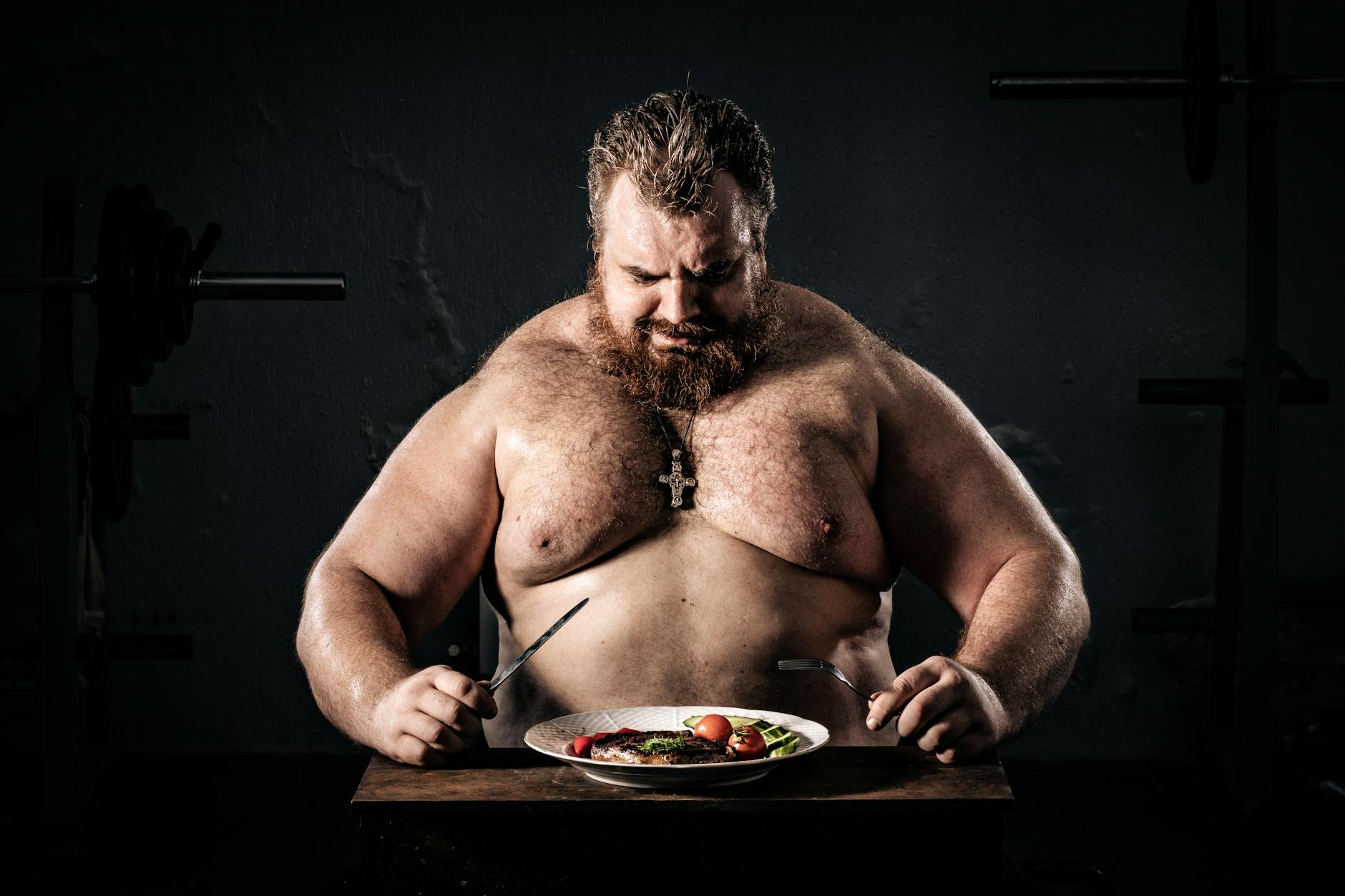
- Why Protein Is Your Best Friend When You're Trying to Lose Weight
- So, How Much Protein Do You Actually Need to Lose Weight?
- The 4 Best Protein Sources for Weight Loss
- How to Spread Your Protein Throughout the Day
- Common Mistakes That Stall Your Progress
- Should You Track Your Protein?
- What About Protein Supplements — Are They Worth It?
- The Bottom Line
If you’ve ever stood in the grocery store squinting at a nutrition label, wondering whether you’re eating “enough protein,” you’re not alone. Protein is probably the most talked-about macronutrient in the weight loss world — and for good reason. But the advice is all over the place. High-protein diets. Protein shakes. Grams per pound. Grams per kilogram. It gets confusing fast.
Here’s the thing: getting your protein right doesn’t have to be complicated. This guide is going to walk you through exactly how much protein you need to lose weight, why it matters more than most people think, and how to actually hit your targets without obsessing over every meal.
Why Protein Is Your Best Friend When You’re Trying to Lose Weight
Before we get into numbers, let’s talk about why protein deserves all the attention it gets.
When you cut calories to lose weight, your body doesn’t just burn fat — it also breaks down muscle tissue for energy. That’s the last thing you want. Muscle is metabolically active tissue, meaning the more you have, the more calories you burn at rest. Losing it slows down your metabolism and makes it harder to keep weight off long-term.
Protein protects that muscle. Research published in the American Journal of Clinical Nutrition found that higher protein intake during caloric restriction significantly preserved lean mass compared to lower protein diets. In plain terms: eating more protein helps you lose fat and keep your muscle. (Source: AJCN)
Protein also does something that carbohydrates and fat simply can’t match — it keeps you full. It reduces levels of ghrelin (your hunger hormone) and boosts peptide YY, a hormone that signals fullness. A review in Nutrition & Metabolism showed that high-protein diets increased satiety and reduced overall calorie intake without people even trying to eat less. (Source: Nutrition & Metabolism)
And then there’s the thermic effect. Your body burns calories just to digest food, and protein has a significantly higher thermic effect than fat or carbs — roughly 20–30% of its calories are burned during digestion alone, compared to 5–10% for carbs. That adds up.
So, How Much Protein Do You Actually Need to Lose Weight?
This is where most guides either get too vague or too technical. Let’s keep it real.
The standard RDA (Recommended Dietary Allowance) for protein is 0.8 grams per kilogram of body weight — but that number was designed to prevent deficiency, not to support active fat loss. For weight loss, especially if you’re exercising, you need considerably more.
Most sports nutrition researchers and dietitians now recommend somewhere between 1.2 to 1.6 grams of protein per kilogram of body weight for people actively trying to lose fat. If you prefer working in pounds, that’s roughly 0.55 to 0.73 grams per pound of body weight.
A landmark study from McMaster University, published in the American Journal of Clinical Nutrition, found that adults eating 2.4 g/kg of protein per day while in a caloric deficit lost significantly more body fat and gained more muscle than those eating 1.2 g/kg — despite both groups eating the same number of calories. (Source: AJCN – McMaster Study)
Here’s a quick reference to make this practical:
| Your Body Weight | Minimum Protein Target | Optimal Protein Target |
|---|---|---|
| 130 lbs (59 kg) | 71g/day | 95–107g/day |
| 160 lbs (73 kg) | 87g/day | 117–131g/day |
| 190 lbs (86 kg) | 103g/day | 139–155g/day |
| 220 lbs (100 kg) | 120g/day | 160–180g/day |
If you’re older (over 50), lean toward the higher end. Muscle protein synthesis becomes less efficient with age, so you need more dietary protein to get the same muscle-preserving effect.
The 4 Best Protein Sources for Weight Loss
Not all protein is created equal. You want high-quality, complete proteins that contain all essential amino acids. Here are the top performers:
1. Chicken breast and turkey are the classic lean protein staples for good reason. A 4-oz serving of chicken breast delivers about 35g of protein for roughly 165 calories. Hard to beat.
2. Greek yogurt is underrated. A single cup of plain, full-fat Greek yogurt packs 17–20g of protein and has the added benefit of probiotics for gut health. Choose plain varieties — the flavored ones are usually loaded with sugar.
3. Eggs are one of the most bioavailable protein sources on the planet. Two large eggs give you about 12g of protein and a stack of essential vitamins. The yolk is not the enemy — it contains most of the micronutrients.
4. Legumes and lentils are the unsung heroes for plant-based eaters. One cup of cooked lentils contains about 18g of protein plus a ton of fiber, which doubles down on the satiety factor.
For days when food prep just isn’t happening, a high-quality protein supplement can fill the gap. The Optimum Nutrition Gold Standard 100% Whey Protein is consistently one of the most well-reviewed options — 24g of protein per scoop, widely available, and reasonably priced. It mixes cleanly and doesn’t leave you feeling like you just drank chalk.
How to Spread Your Protein Throughout the Day
Hitting your daily number is important, but when you eat your protein matters too. Research suggests that spreading protein evenly across three to four meals is more effective for muscle protein synthesis than eating most of it in one sitting.
Your body can only use so much protein at once for muscle building — somewhere in the range of 25–40g per meal stimulates maximal muscle protein synthesis in most people. Anything beyond that in a single sitting isn’t wasted, exactly, but it’s not adding the same muscle-preserving punch.
Here’s what a practical day might look like for someone targeting 140g of protein:
- Breakfast: 3-egg omelet with cottage cheese (~30g)
- Lunch: Grilled chicken salad with chickpeas (~45g)
- Snack: Greek yogurt + handful of almonds (~20g)
- Dinner: Salmon fillet with lentils (~45g)
That hits the target without any heroics. No six-meal-a-day marathon. No eating things you hate.
For mornings when breakfast is rushed, a protein shake made with a good powder and some whole milk takes about 90 seconds. The Orgain Organic Protein Powder is a solid plant-based option if you want to avoid dairy — 21g of protein per serving from pea, brown rice, and chia protein. It’s especially popular with people who find whey-based powders hard on the stomach.
Common Mistakes That Stall Your Progress
A lot of people do most things right but trip up on a few specific mistakes. Here’s what to watch for:
- Eating most of your protein at dinner. This is the single most common pattern, and it leaves your body without adequate amino acids for most of the day. Spread it out.
- Relying too heavily on processed “high-protein” products. Protein bars and shakes are convenient, but if the ingredient list reads like a chemistry textbook, that’s a tradeoff. Real food should be your primary source.
- Not adjusting as you lose weight. Your protein targets are based on your body weight. As you get lighter, recalculate every 10–15 lbs or so.
- Forgetting about fiber. Protein and fiber work together for satiety. If you’re hitting your protein but still feeling hungry, check your fiber intake.
- Skipping protein after workouts. The post-exercise window is real. Consuming 20–40g of protein within an hour or two of strength training supports muscle repair and retention.
Should You Track Your Protein?
Tracking gets a bad reputation because obsessive food logging can mess with your relationship with food. That said, most people who say they “eat enough protein” significantly underestimate how much they’re actually getting.
A 2020 survey by the International Food Information Council found that only about 30% of Americans consistently met recommended protein targets despite believing they did. (Source: IFIC 2020 Food and Health Survey)
One approach that works well for a lot of people: track for two weeks to get an honest baseline, then use that awareness going forward without tracking every single day. You’ll develop a feel for what a protein-rich meal looks like. After two weeks of logging, most people can estimate fairly well without an app.
If you do want a tracker, the free version of Cronometer or MyFitnessPal covers the basics without paying for premium features.
What About Protein Supplements — Are They Worth It?
Whole food should be your foundation. But supplements exist for a reason — convenience. If you’re consistently falling short of your protein target and you don’t have time to prep more chicken, a protein supplement is a completely legitimate tool.
The key is picking one that’s actually clean. Look for:
- At least 20g protein per serving
- Low sugar (under 5g ideally)
- Short, recognizable ingredient list
- Third-party tested (look for NSF Certified or Informed Sport labels)
For people who like something more functional, the Momentous Essential Whey Protein checks all those boxes — NSF Certified for Sport, 20g of whey protein isolate per serving, and made without the filler ingredients you find in a lot of mass-market powders. It’s pricier than the big-brand options, but worth it if you care about what’s actually in the tub.
The Bottom Line
Protein is one of the most powerful levers you have for losing weight without sacrificing muscle, energy, or your sanity. The number isn’t mysterious: aim for roughly 0.7 grams per pound of body weight (or 1.5g per kilogram) as a practical daily target. Spread it across your meals. Prioritize real food. Fill gaps with a quality supplement when needed.
Of course, dialing in your protein is just one piece of the puzzle. Knowing what to eat is powerful — but pairing it with a clear, structured plan for how you actually live day to day is what turns information into real results. If you’re ready to take the next step, check out this simple 7-step plan for how to lose weight fast at home — it builds on everything you’ve just learned and gives you a practical, no-gym-required framework you can start this week.
Disclaimer: This article is for informational purposes only and does not constitute medical or nutritional advice. Consult a registered dietitian or physician before making significant dietary changes.
Leave a Reply