- What Is Grass-Fed Whey Protein?
- Is Grass-Fed Whey Better Than Regular Whey? Benefit #1: Higher Omega-3 and CLA Content
- Is Grass-Fed Whey Better Than Regular Whey? Benefit #2: Cleaner Ingredient Lists
- Is Grass-Fed Whey Better Than Regular Whey? Benefit #3: No Added Hormones or rBST
- Is Grass-Fed Whey Better Than Regular Whey? Benefit #4: Potential Digestive Benefits
- Is Grass-Fed Whey Better Than Regular Whey? Benefit #5: Ethical and Environmental Factors
- Best Overall Grass-Fed Whey Protein: Transparent Labs 100% Grass-Fed Whey Protein Isolate
- Best Budget Grass-Fed Whey: Orgain Grass-Fed Whey Protein Powder
- Best Unflavored Grass-Fed Whey: Levels Grass-Fed Whey Protein
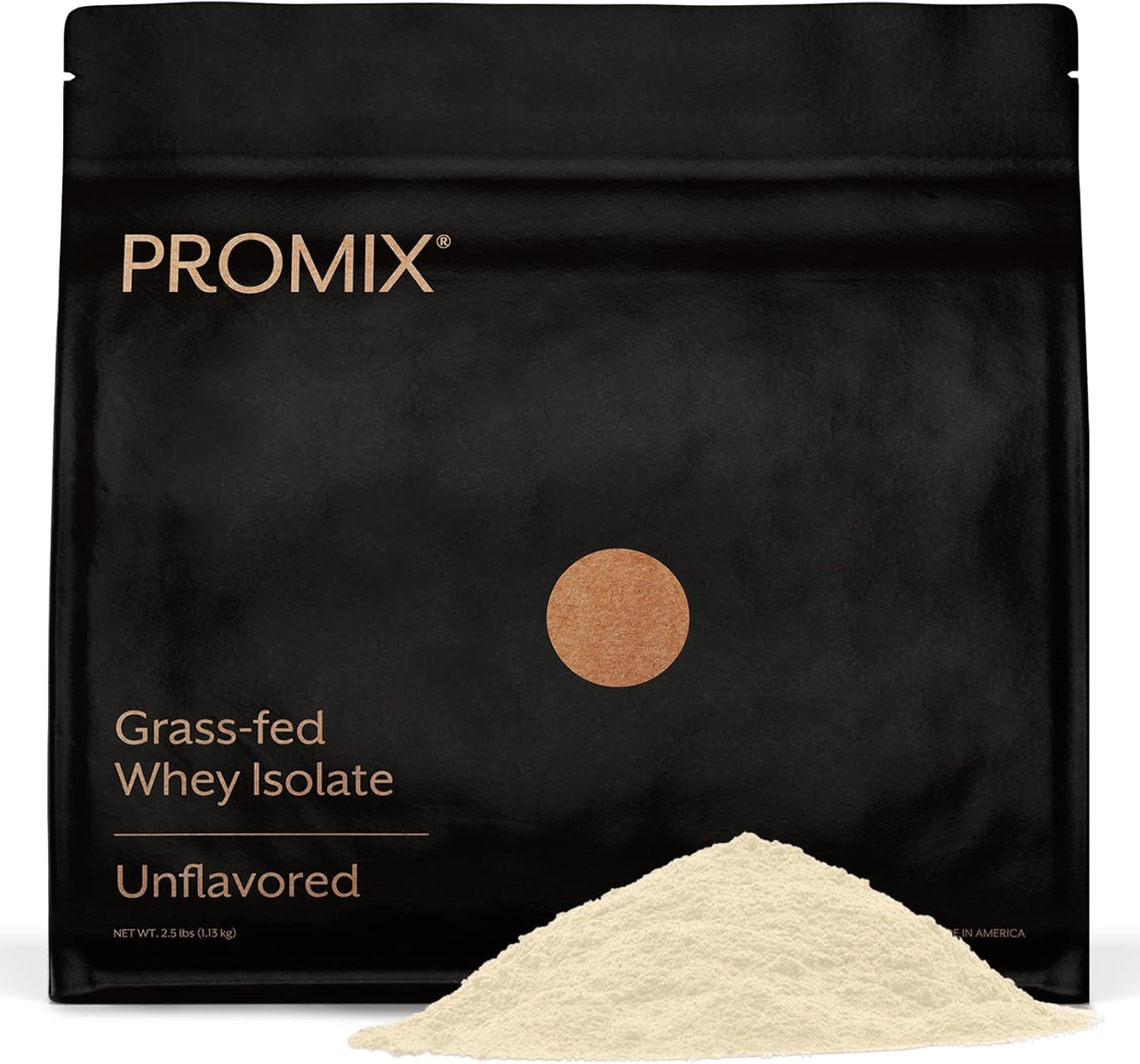
- Best Grass-Fed Whey for Sensitive Stomachs: Promix Grass-Fed Whey Protein Isolate
In this article, we will break down the question: Is grass-fed whey better than regular whey? We review the real differences, explain the science in simple terms, and help you decide which option makes the most sense for you.
Protein powder is one of the most common supplements in the world. Among all protein options, whey protein remains the top choice for building muscle, supporting recovery, and meeting daily protein needs. However, not all whey protein is the same. In recent years, grass-fed whey has exploded in popularity. Many labels now highlight words like grass-fed, pasture-raised, and clean sourced. At the same time, regular whey protein is still cheaper, widely available, and trusted by millions of lifters.
What Is Grass-Fed Whey Protein?
Grass-fed whey protein comes from cows that eat mostly grass instead of grain. These cows typically spend more time on pasture and less time in feedlots. Their diet changes the makeup of the milk they produce.
Whey protein itself is a byproduct of cheese making. Once milk is separated, filtered, and dried, whey protein powder is created. Grass-fed whey follows the same process, but the starting milk source is different. This difference at the farm level is where most benefits come from.
Grass-fed dairy often contains different fat profiles, fewer contaminants, and better nutrient balance. Because of this, many brands that sell grass-fed whey also focus on cleaner processing and simpler formulas.
That does not automatically make grass-fed whey superior for everyone. But it does change what you are getting in each scoop. With that in mind, let’s walk through the five main benefits often linked to grass-fed whey.
Is Grass-Fed Whey Better Than Regular Whey? Benefit #1: Higher Omega-3 and CLA Content
One of the most cited benefits of grass-fed whey is its fat profile.
Cows that eat grass produce milk with higher levels of omega-3 fatty acids and CLA (conjugated linoleic acid). These fats are linked to better heart health and lower inflammation.
Although whey protein is low in fat overall, the small amount of fat it does contain reflects the cow’s diet.
Grass-fed whey may provide:
- Slightly more omega-3s
- Higher CLA levels
- Better omega-6 to omega-3 balance
These differences are not dramatic. You will not replace fish oil with whey protein. Still, for people who use protein daily, small improvements can add up over time.
Many grass-fed whey brands highlight this benefit clearly on their labels. When shopping on Amazon, look for brands that mention CLA content or grass-fed dairy sourcing rather than vague claims.
Is Grass-Fed Whey Better Than Regular Whey? Benefit #2: Cleaner Ingredient Lists
The second major benefit is ingredient quality.
Grass-fed whey brands often position themselves as premium products. Because of this, they tend to use shorter ingredient lists and fewer additives.
Regular whey proteins frequently include:
- Artificial sweeteners
- Thickeners like gums
- Artificial flavors or dyes
Grass-fed whey proteins are more likely to be:
- Unflavored or lightly flavored
- Sweetened with stevia or monk fruit
- Free from artificial coloring
This matters most for people with sensitive digestion or those who use protein powder every day. A simple rule helps here: The fewer ingredients you recognize, the easier the protein usually is to tolerate. On Amazon, unflavored grass-fed whey powders are especially popular among people with bloating or stomach discomfort.
Is Grass-Fed Whey Better Than Regular Whey? Benefit #3: No Added Hormones or rBST
Another reason people choose grass-fed whey is hormone avoidance.
Some conventional dairy farms use rBST (recombinant bovine somatotropin) to increase milk production. While rBST is allowed in many regions, some consumers prefer to avoid it.
Most grass-fed whey proteins are:
- rBST-free
- Hormone-free
- Antibiotic-free
This does not mean regular whey is unsafe. Many conventional brands are also rBST-free. The difference is that grass-fed whey brands usually make this a core selling point and provide clearer sourcing details. If you plan to use whey protein long term, especially daily, this added transparency can offer peace of mind.
Is Grass-Fed Whey Better Than Regular Whey? Benefit #4: Potential Digestive Benefits
Digestion is one of the most personal factors when choosing a protein powder. Some people tolerate regular whey perfectly. Others experience bloating, gas, or discomfort. Grass-fed whey may help digestion for a few reasons.
First, cleaner ingredient lists reduce the chance of irritation. Second, many grass-fed whey products use gentler processing methods. Third, grass-fed whey isolate options remove most lactose and fat.
People who often benefit most include:
- Those with mild lactose sensitivity
- Users who drink protein daily
- Individuals sensitive to artificial sweeteners
It is important to be realistic, though. If you are lactose intolerant, grass-fed whey concentrate may still cause issues. In that case, a grass-fed whey isolate or a plant-based protein may be better.
Is Grass-Fed Whey Better Than Regular Whey? Benefit #5: Ethical and Environmental Factors
The final benefit goes beyond nutrition. Grass-fed whey appeals to people who care about how food is produced. Grass-fed farming generally supports:
- Better animal welfare
- More natural grazing behavior
- Improved soil health
While not perfect, pasture-based systems are often viewed as more sustainable than large-scale feedlot operations.
For many buyers, this benefit matters as much as protein quality. When browsing Amazon, look for brands that explain their sourcing clearly. Terms like pasture-raised and grass-fed certified carry more weight than generic marketing language.
Best Overall Grass-Fed Whey Protein: Transparent Labs 100% Grass-Fed Whey Protein Isolate

This is one of the most trusted grass-fed whey options for daily use and post-workout recovery. It’s sourced from grass-fed, pasture-raised cows and uses a fully transparent label with no proprietary blends.
Key features:
- Grass-fed, pasture-raised whey isolate
- High protein per serving with minimal fillers
- Third-party tested for quality and purity
- Mixes smoothly in water or milk
Best Budget Grass-Fed Whey: Orgain Grass-Fed Whey Protein Powder

Orgain offers one of the most affordable entry points into grass-fed whey. While it’s not an isolate, it still delivers solid protein quality with good taste and accessibility.
Key features:
- Lower cost than most grass-fed isolates
- Sourced from grass-fed cows
- Readily available and beginner-friendly
- Balanced flavor and texture
Best Unflavored Grass-Fed Whey: Levels Grass-Fed Whey Protein

Levels is a favorite among clean-label buyers. The unflavored version uses a short ingredient list and works well in smoothies, oats, baking, or savory recipes.
Key features:
- No sweeteners, flavors, or gums
- Minimal ingredients
- Easy to stack with other supplements
Best Grass-Fed Whey for Sensitive Stomachs: Promix Grass-Fed Whey Protein Isolate

Promix focuses on digestion-friendly formulations and clean sourcing. Their grass-fed whey isolate is a strong option for users who experience bloating or discomfort with standard whey.
Key features:
- Lower lactose than concentrates
- Light texture and clean finish
- No artificial sweeteners
Leave a Reply