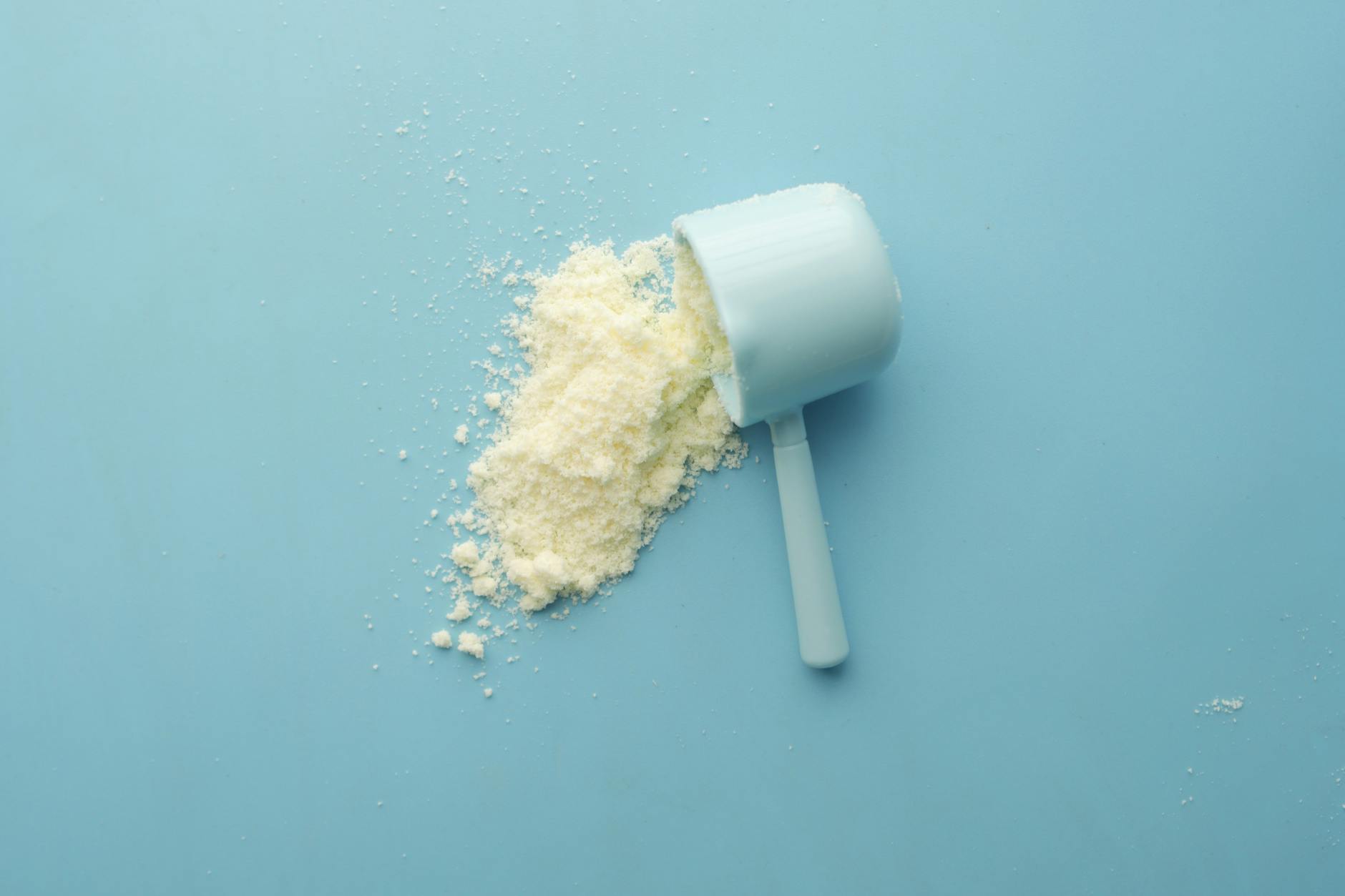
Protein powder is one of the most popular supplements in the world. Whether you’re trying to build muscle, lose weight, improve recovery, or simply increase your daily protein intake, chances are you’ve wondered: Is it safe to drink protein powder everyday? With so many brands, flavors, and types of protein available, and with influencers adding scoop after scoop to their smoothies, it’s no surprise that this long-tail keyword has become one of the most searched nutrition questions online.
But while protein powder is convenient and effective, many people worry about long-term use. Is daily protein powder bad for your kidneys? Can it cause digestive issues? Does it depend on the type of protein? Should beginners use it differently than advanced lifters? And perhaps the biggest question of all: Do you even need it every day in the first place?
This comprehensive 3,500-word guide breaks down everything you need to know. You’ll learn what science says about daily protein powder intake, who benefits most from using it, how much is safe, how to avoid common mistakes, and how to choose the right protein for your goals. By the end, you’ll know exactly how to use protein powder safely, effectively, and confidently.
1. Understanding Daily Protein Needs: Do You Even Need Protein Powder Every Day?
Before asking whether it’s safe to drink protein powder every day, it helps to understand how much protein your body actually requires. Protein is essential for muscle repair, tissue growth, hormone regulation, immune function, and metabolic health. Yet most people either underestimate their needs or assume they can get everything from food alone. While whole foods are always ideal, protein powder fills the gap when eating enough becomes difficult.
The recommended dietary allowance suggests 0.8 grams of protein per kilogram of body weight for the general population. However, this number is often misleading, because it represents the minimum amount needed to prevent deficiency—not the optimal amount for strength, fat loss, or healthy aging. Most active adults benefit from 1.2–2.0 grams per kilogram, depending on goals and training intensity. Individuals working to build muscle, maintain lean mass during weight loss, or support recovery may need even more.
This is where protein powder becomes valuable. It offers high-quality protein that is fast-digesting, cost-effective, and convenient. For people who struggle to reach their protein needs through meals alone—like older adults, vegetarians, busy professionals, or athletes—daily protein shakes can make a noticeable difference. The question of safety usually arises when people assume supplements replace whole foods. In reality, protein powder should complement a balanced diet, not dominate it.
The key is understanding that drinking protein powder every day is no different from eating protein-rich foods every day. Your body recognizes protein by its amino acids, not by its source. So whether it comes from chicken breast, tofu, yogurt, or whey protein, your muscles and cells process it the same way. The concern isn’t with protein powder itself, but with how it fits into your overall diet.
2. Is It Safe to Drink Protein Powder Everyday? What Science Really Says
Now to the heart of the question: Is it safe to drink protein powder everyday? The evidence overwhelmingly suggests that for healthy individuals, daily protein powder consumption is generally safe. But as with any supplement, safety depends on quality, dosage, medical conditions, and how well you tolerate it.
Protein powder is essentially a dehydrated, concentrated form of food. Whey protein is derived from milk. Plant proteins come from peas, rice, hemp, and soy. Collagen originates from animal connective tissue. Because these are food products, they have a strong safety profile when consumed in appropriate amounts. Most studies show no adverse effects for healthy people using protein powder up to one or two servings per day.
Concerns about kidney damage or liver strain typically come from misinterpreting research involving individuals with preexisting kidney disease. In healthy adults, higher protein intake does not harm the kidneys. However, anyone with diagnosed kidney disease should consult a doctor, as excessive protein can increase stress on compromised organs. For the majority of people, though, protein powder is no more dangerous than eating more meat or dairy.
Digestive symptoms are the most common downside. Whey concentrate may cause bloating or gas in lactose-sensitive individuals. Plant proteins can also create digestive discomfort due to fiber or lectins. These issues have nothing to do with protein powder being unsafe, but rather finding the right type for your body. Whey isolate is filtered to remove lactose, while pea protein is suitable for dairy-free diets.
Another concern is the presence of additives, artificial sweeteners, or contaminants in lower-quality brands. Some powders contain added sugars, fillers, gums, or heavy metals due to poor manufacturing practices. This is why choosing a third-party tested protein is crucial. High-quality brands disclose ingredients, use independent testing, and avoid unnecessary additives.
In short, daily protein powder use is safe when it’s part of a balanced diet, used appropriately, and sourced from reputable companies. Drinking protein every day won’t harm you if the rest of your nutrition is solid and you stay within recommended protein ranges.
3. Potential Benefits and Risks of Drinking Protein Powder Everyday
To make an informed decision, it’s helpful to weigh the benefits and potential drawbacks of consuming protein shakes daily. While protein powder is not magic, it offers practical advantages that can significantly improve health and performance for many people.
One of the biggest benefits is convenience. Modern lifestyles often leave little time for cooking. Protein powder allows you to meet your nutritional goals quickly. This becomes especially useful after workouts, when your body is primed for muscle repair. Consuming protein shortly after training has been shown to improve recovery, enhance muscle protein synthesis, and reduce soreness.
Daily protein powder can also support weight management. High-protein diets help regulate appetite, boost metabolism, and maintain lean muscle during fat loss. A morning shake can prevent overeating later in the day. Similarly, older adults struggle with age-related muscle decline and increased protein needs, making daily supplementation beneficial for maintaining strength and mobility.
Despite these benefits, daily protein powder use comes with potential downsides. Overconsumption may displace whole foods, leading to nutrient gaps. While protein powder delivers amino acids, it does not provide the vitamins, minerals, and fiber found in whole food sources. This risk increases when individuals drink multiple shakes a day as meal replacements instead of using them strategically.
Another risk involves ingredients. Artificial sweeteners may cause digestive discomfort in sensitive individuals. Sugar alcohols such as erythritol or xylitol can cause bloating. Added sugars increase calorie intake, undermining weight loss goals. Poor-quality protein powders may contain contaminants like heavy metals or pesticides.
However, these risks are avoidable with mindful selection. High-quality protein powders with minimal ingredients and transparent testing remove most concerns. Drinking protein powder everyday becomes a positive addition to your routine when balanced with real food and chosen wisely.
4. How Much Protein Powder Is Safe to Drink Everyday? Dosage, Timing, and Best Practices
Even if protein powder is safe to consume daily, it’s essential to understand how much is appropriate. Drinking protein powder everyday becomes problematic only when consumed in excess or used improperly. The ideal amount depends on your body weight, lifestyle, training volume, and dietary habits.
Most adults require anywhere from 20 to 40 grams of protein per meal to stimulate muscle protein synthesis effectively. A typical scoop of protein powder contains about 20 to 25 grams. Consuming one shake daily is enough for many people. Those with higher protein needs, such as athletes, may safely use two servings. Very active individuals often divide protein across four or five meals throughout the day, and including powder in one of them is a practical solution.
As a general rule, protein powder should account for no more than a third of your total daily protein intake. The majority should still come from whole foods such as eggs, lean meats, dairy, legumes, fish, and tofu. This ensures you meet micronutrient needs and benefit from a wide range of amino acids.
Timing matters too. Drinking protein after a workout can accelerate recovery. Consuming it in the morning helps control appetite throughout the day. Taking a slow-digesting protein like casein before bed can support overnight muscle repair. However, daily timing is less important than overall intake. Your body responds to total protein consumption more than the exact minute you drink your shake.
If you plan to drink protein powder everyday, choose a type that aligns with your digestion and dietary preferences. Whey isolate suits those who want fast absorption and low lactose. Plant proteins are excellent for dairy-free diets. Casein is slow digesting, ideal for nighttime use. Collagen supports joint and skin health but is not a complete protein, making it better as a supplement rather than a primary protein source.
Combining responsible dosing, smart timing, and high-quality ingredients ensures that daily protein powder consumption is safe and effective.
5. How to Choose the Right Protein Powder if You Plan to Use It Everyday
If you’re going to drink protein powder everyday, the type you choose matters. Quality varies dramatically across brands, and selecting the right protein will influence your digestion, long-term health, and overall results. This is especially true when using it consistently.
Whey isolate is often considered the gold standard for daily use because it absorbs quickly, contains all essential amino acids, and is easy to digest. Unlike whey concentrate, isolate is filtered to remove lactose and excess fats. This makes it ideal for beginners, athletes, or anyone sensitive to dairy. It also mixes easily with water, smoothies, or oatmeal, making daily use convenient.
Plant-based proteins are excellent alternatives for vegans, lactose-intolerant individuals, or those with sensitive stomachs. Pea protein is particularly well tolerated and has a strong amino acid profile. Many modern brands blend pea with rice or hemp protein to create a complete amino acid profile, making them competitive with whey. The key is to choose a formula free from artificial flavors or unnecessary fillers.
Casein protein digests slowly, making it ideal before sleep. It delivers a steady stream of amino acids that can support muscle repair overnight. If you prefer slow-release nutrition, casein can be used daily, but many people alternate it with whey or plant proteins depending on lifestyle and preference.
Regardless of the type, choose a protein powder that undergoes third-party testing. Certifications like NSF Certified for Sport or Informed Choice indicate that the product is tested for contaminants and meets purity standards. Clean ingredient labels with minimal additives are ideal for daily consumption. Short ingredient lists are often a sign of higher quality.
The right protein powder should align with your goals, taste preferences, dietary restrictions, and budget. When selected thoughtfully, protein powder becomes a safe and powerful tool in your daily nutrition routine.
Conclusion: Yes, It Is Safe to Drink Protein Powder Everyday — When Used Properly
So, is it safe to drink protein powder everyday? For the vast majority of healthy individuals, the answer is yes. Protein powder is a convenient, effective, and safe way to meet your daily protein needs. It supports muscle growth, aids recovery, promotes fat loss, and contributes to long-term health when used alongside a balanced diet.
Safety depends on choosing high-quality products, consuming appropriate amounts, and not relying on shakes to replace whole foods. When used strategically and responsibly, daily protein powder can be one of the most helpful nutrition tools available.
Leave a Reply