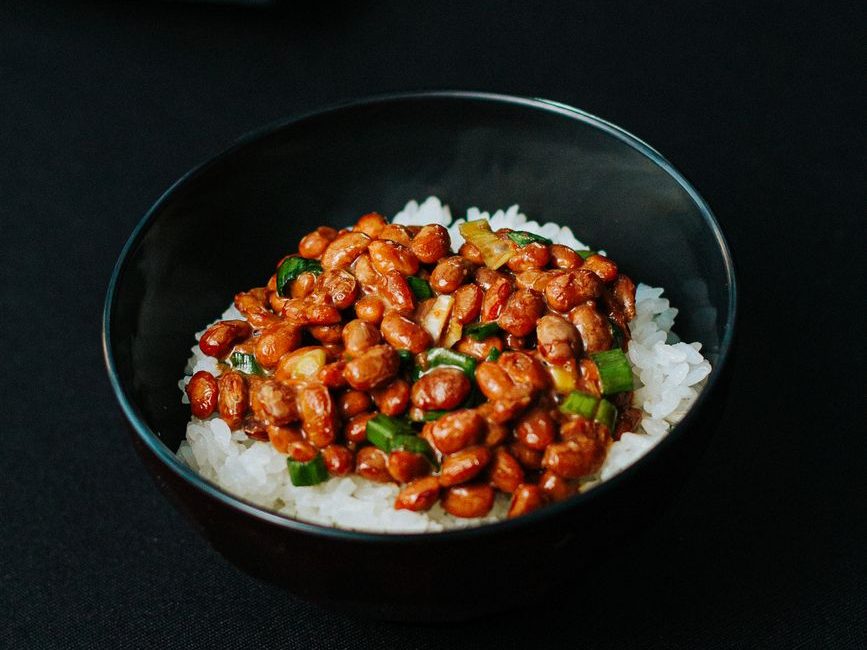
Open any breakfast menu in America and you’re choosing between two extremes: a plate of eggs and bacon dense enough to anchor a boat, or a bowl of cereal that’s more sugar than food. Neither one has much to do with how the longest-lived, leanest populations on Earth actually start their day.
In Nicoya, Costa Rica, breakfast is rice and beans. In Okinawa, it’s often miso soup and a purple sweet potato. In Ikaria, Greece, it might be wild herb tea, a piece of goat cheese, and a slice of homemade sourdough drizzled with olive oil. None of these plates look like what gets marketed as a “healthy breakfast” in the West — and none of them involve a protein bar, a green juice, or a fasting app.
There’s a real pattern underneath the regional variety, though, and it’s more useful than any single recipe: Blue Zone populations tend to eat a substantial, savory, whole-food breakfast — and they eat it earlier in the day rather than skipping it or delaying it. That timing detail turns out to matter more than most people realize, and the research on circadian rhythm and meal timing backs it up directly.
What Breakfast Actually Looks Like in Each Blue Zone

Before getting into the why, it’s worth seeing the actual plates. These aren’t wellness-industry reconstructions — they’re the documented, everyday breakfast habits of the five regions where Dan Buettner’s longevity research has been most extensively conducted.
Nicoya, Costa Rica: Gallo Pinto
The morning staple in Nicoya is gallo pinto — a dish of rice and black beans seasoned with herbs like cilantro, often served alongside warm corn tortillas made from traditional lime-treated masa, a process that increases the bioavailability of niacin and contributes low-glycemic complex carbohydrates. A typical Costa Rican breakfast rounds this out with fresh fruit, cheese, and tomatoes, sometimes with a fried egg on the side.
This dish is frequently made from the previous night’s leftover rice and beans, reheated and combined — a practical habit that happens to deliver a breakfast dense in fiber, plant protein, and complex carbohydrates rather than refined sugar. When Buettner researched the Nicoya region specifically, he identified a particular version of gallo pinto — prepared with a specific technique passed down through generations — as one of the standout breakfasts he encountered in his longevity research.
Ikaria, Greece: Wild Herb Tea, Goat Cheese, and Sourdough
Ikarian breakfasts lean toward the simple and savory. Wild mountain herb teas — brewed from plants foraged locally, some of which have mild diuretic and anti-inflammatory properties — are a daily habit rather than an occasional indulgence. These are typically paired with a small portion of local goat cheese, olives, and a slice of homemade sourdough bread drizzled with olive oil, sometimes with a drizzle of honey.
The emphasis is on real, minimally processed foods eaten slowly and often socially — Ikarian meals are rarely rushed, and residents treat eating as part of a broader lifestyle centered on longevity, movement, and social connection rather than as fuel to be consumed quickly before work.
Okinawa, Japan: Miso Soup and Purple Sweet Potato
Okinawan breakfast traditionally centers on the purple sweet potato, locally called imo — a starchy vegetable that historically served as the primary carbohydrate source in place of rice or bread. The imo is steamed, boiled, or mashed, and is rich in anthocyanins, the same antioxidant compounds found in blueberries. This is typically paired with miso soup, tofu, and dishes like ninjin shirishiri — a lightly stir-fried carrot and egg preparation that’s simple, savory, and quick to make.
Sardinia, Italy: Sourdough Bread with Olive Oil and Sheep’s Milk Yogurt
Sardinian mornings often begin with rustic sourdough bread or pane carasau (a traditional flatbread), drizzled with olive oil and served alongside sheep’s milk yogurt or fresh goat cheese. Sardinians frequently pair this with fresh fruit, a small handful of nuts, and strong coffee or herbal tea — a breakfast built around fat, protein, and fermented carbohydrates rather than refined sugar.
Loma Linda, California: Whole Grains, Nuts, and Plant Protein
The Seventh-day Adventist population in Loma Linda tends toward oatmeal, whole grain toast, nuts, and plant-based protein sources like tofu or legumes — reflecting the largely vegetarian dietary pattern common in this community. Breakfast here is often the largest meal of the day, consistent with the broader Adventist practice of eating earlier and lighter as the day progresses.
The Common Threads Across All Five Regions
Despite the geographic and cultural distance between these populations, their breakfasts share consistent characteristics: savory rather than sweet, naturally rich in antioxidant compounds, complex carbohydrates, protein, and healthy fats, and high in fiber. Beans, whole grains, vegetables, fruit, herbal teas, and homemade breads appear again and again across these longevity cultures. None of these breakfasts rely on trendy superfoods, powders, or complicated routines — they’re built from ingredients that have been part of daily life in these regions for generations.
What’s conspicuously absent is just as telling:
- No refined breakfast cereal
- No pastries, muffins, or sweetened baked goods as a daily habit
- No sugary juice or soda
- No ultra-processed breakfast meats
- No skipping the meal entirely as a routine practice
The Circadian Science: Why Eating More Earlier Actually Supports Weight Loss
Here’s where the pattern becomes genuinely useful beyond “eat what these cultures eat.” There’s a specific, well-documented physiological reason that a substantial early meal supports weight management better than a large dinner or a skipped breakfast — and it comes down to how your body’s internal clock handles nutrients differently depending on the time of day.
The mechanism is rooted in how insulin sensitivity and metabolic efficiency change across the day:
- Insulin sensitivity peaks earlier in the day. Studies show that consuming meals later in the day is associated with a higher prevalence of metabolic disorders, while early time-restricted eating — such as an early breakfast paired with an earlier dinner — improves blood glucose levels and how the body processes fuel for energy. The same meal, eaten earlier versus later, produces a measurably better metabolic response.
- Front-loading calories aligns with your natural metabolic rate. Eating earlier in the day may suppress ghrelin — the hunger hormone — more effectively and improve satiety. Front-loading calories aligns with the body’s endogenous metabolic rate, since glucose and lipid handling are generally more efficient earlier in the active phaseof your day.
- A large controlled study found a specific dose-response relationship. Research tracking eating patterns found that individuals who ate one or two meals per day showed reduced BMI over a one-year period, and a greater BMI reduction was observed in those who consumed more of their calories earlier in the day. The researchers concluded that a practical strategy for weight reduction is to consume the majority of calories early in the day and extend the overnight fasting period rather than loading calories toward dinner and nighttime snacking.
There’s an old adage that captures this almost exactly: eat like a king in the morning, a prince at noon, and a peasant at dinner — an approach reinforced by research showing that those who consume most of their daily calories at dinner face increased risk of obesity and metabolic syndrome, while caloric intake weighted toward the beginning of the day appears to confer a genuine metabolic advantage for weight management.
This is precisely what Blue Zone breakfast habits reflect — a substantial, nutrient-dense first meal, not a rushed piece of toast eaten standing at the counter, and not a skipped meal replaced by coffee alone.
How to Build a Blue Zone-Style Breakfast at Home
You don’t need to source Ikarian wild herbs or Okinawan purple sweet potatoes specifically. The underlying pattern is replicable with ingredients available at any grocery store:
- Anchor the meal in fiber and plant protein, not refined carbohydrate. Beans, lentils, whole grains, or tofu should form the base rather than white bread, pastries, or sugary cereal.
- Include a healthy fat source. Olive oil, avocado, or a small handful of nuts triggers the hormonal fullness cascade that keeps a morning meal satisfying for hours rather than 90 minutes.
- Make it savory more often than sweet. Reducing the sugar load of breakfast — even swapping a sweetened yogurt or granola for a savory bean-and-vegetable dish a few times a week — mirrors the Blue Zone pattern directly.
- Eat it earlier rather than delaying it. Based on the circadian research above, moving your largest or most substantial meal earlier in your active day — rather than pushing most of your calories toward dinner — is a structural change with real evidence behind it.
- Slow down. Ikarian breakfasts in particular are unhurried and often social. The pace of the meal itself supports the same satiety mechanisms covered throughout Blue Zone eating research more broadly.
A simple version: a bowl of black beans and brown rice with a fried egg and a drizzle of olive oil — essentially a Western adaptation of gallo pinto — delivers fiber, plant protein, complex carbohydrate, and healthy fat in a single dish that takes under ten minutes if the beans and rice are already cooked from a weekend batch.
Tools That Make This Practical on a Weekday Morning
Building a Blue Zone-style breakfast consistently is much easier with a few things already prepped and ready.
A rice cooker that handles both rice and grains reliably takes the daily effort out of having a gallo pinto-style base ready to go. The Zojirushi NS-TSC10 Rice Cooker and Warmer can be set up the night before and produces a fresh batch by morning, or holds a batch warm from the day before — ideal for a dish that’s traditionally made from leftovers.
For the healthy fat component that anchors both the Ikarian and Sardinian breakfast tradition, a quality extra virgin olive oil used generously — not sparingly — makes a real difference in both flavor and satiety. Kirkland Signature Organic Extra Virgin Olive Oil is a well-tested, reasonably priced option for daily use.
For anyone incorporating the Okinawan sweet potato tradition, keeping a supply of Japanese or Okinawan purple sweet potatoes on hand (or standard sweet potatoes as a substitute) simplifies the process considerably — steaming several at once on a Sunday makes them a grab-and-go breakfast option all week. A basic steamer basket insert, like the OXO Good Grips Steel Steamer, makes batch-steaming sweet potatoes or other vegetables simple with equipment most kitchens already have space for.
The Bigger Blue Zone Picture
Breakfast is one meal in a much larger dietary pattern, and it works best as part of that whole picture rather than as an isolated change. The same principles that make Blue Zone breakfasts effective — whole foods, plant-forward proteins, healthy fats, minimal processing — extend across lunch, dinner, and snacking throughout these five regions.
For a complete breakdown of what Blue Zone populations eat across the entire day, and the broader dietary framework behind their remarkable longevity outcomes, read The Blue Zone Diet: A Complete Guide to Eating for Longevity. Breakfast is a meaningful starting point, but the full pattern is what sustains the results these populations have demonstrated for generations.
This content is intended for general informational and educational purposes only and does not constitute medical, nutritional, or dietary advice. It is not intended to diagnose, treat, cure, or heal any medical condition or disease. Individual nutritional needs and optimal meal timing vary based on health status, medical history, work schedule, and other factors. Always consult a licensed healthcare professional — such as a physician or registered dietitian — before making significant changes to your diet or eating schedule, especially if you have existing health conditions such as diabetes or a history of disordered eating. This content does not replace professional medical or nutritional care.
Leave a Reply