If you’ve ever wondered, “What food or drink has the highest vitamin D?”, you’re not alone. Vitamin D is one of the most essential nutrients for human health, yet one that most people don’t get enough of. Known as the “sunshine vitamin,” it supports strong bones, a healthy immune system, and even mood balance. But with many of us spending more time indoors, relying on sunshine alone isn’t always realistic. That’s where your diet—and the right foods and drinks—come into play.
In this comprehensive guide, we’ll explore everything you need to know about vitamin D: what it does, how much you need, and exactly which foods and drinks contain the highest levels of vitamin D. By the end, you’ll have a clear, practical roadmap to boost your vitamin D naturally—without depending solely on supplements.
1. Why Vitamin D Matters More Than You Think
Vitamin D is often underestimated, but it plays a role in nearly every major body system. It acts as both a vitamin and a hormone, influencing calcium absorption, immune regulation, and even mood.
The Key Benefits of Vitamin D:
- Bone health: Helps your body absorb calcium and phosphorus, two minerals essential for strong bones and teeth.
- Muscle strength: Deficiency can lead to muscle weakness and increased fall risk, especially in older adults.
- Immune function: Supports your body’s defense system, helping prevent infections and inflammation.
- Mood and brain health: Low vitamin D levels have been linked to depression and cognitive decline.
- Hormone balance: Plays a role in testosterone and estrogen regulation.
Many people are surprised to learn that vitamin D deficiency is one of the most common nutritional deficiencies worldwide. According to global health data, over one billion people have insufficient levels.
2. How Much Vitamin D Do You Really Need?
The recommended daily intake varies depending on age, gender, and health status.
| Age Group | Recommended Daily Intake (IU) |
|---|---|
| Infants (0–12 months) | 400 IU |
| Children (1–18 years) | 600 IU |
| Adults (19–70 years) | 600–800 IU |
| Adults over 70 | 800–1000 IU |
| Pregnant or breastfeeding women | 600–800 IU |
However, some experts suggest that many adults need closer to 1,000–2,000 IU per day for optimal levels, especially if sun exposure is limited.
3. Understanding Vitamin D Sources: Sunlight, Food, and Supplements
Before we dive into foods and drinks, it’s important to know where vitamin D comes from.
Three Main Sources of Vitamin D:
- Sunlight: Your skin produces vitamin D3 (cholecalciferol) when exposed to UVB rays.
- Food: Certain animal-based and fortified foods naturally contain vitamin D.
- Supplements: Available as D2 (ergocalciferol) or D3 (cholecalciferol), though D3 is more effective for raising blood levels.
Sun exposure can provide plenty of vitamin D, but factors like sunscreen use, time of day, season, and skin tone all affect production. That’s why dietary vitamin D is crucial—especially during the winter months.
4. Top 10 Foods with the Highest Vitamin D
If you’re searching for what food or drink has the highest vitamin D, this list will make it easy to plan your meals strategically.
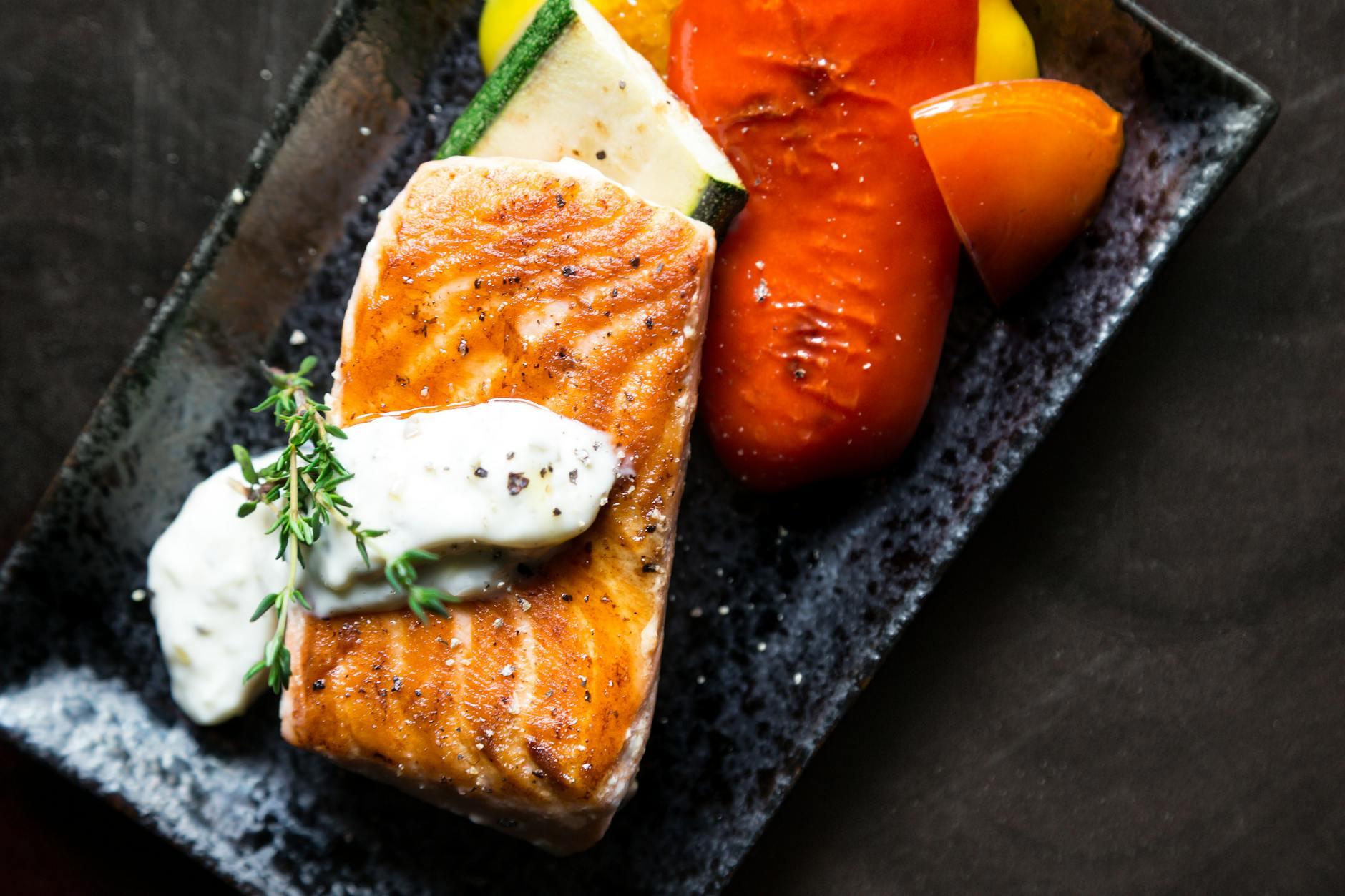
1. Fatty Fish (Salmon, Mackerel, Sardines, Tuna)
Fatty fish are hands down the best natural sources of vitamin D.
- Wild salmon: 3.5 ounces provide 600–1,000 IU
- Mackerel: Around 360 IU per serving
- Canned tuna: Roughly 250 IU per serving
- Sardines: 270 IU per 3.5 ounces
In addition to vitamin D, these fish provide omega-3 fatty acids, supporting heart and brain health.
2. Cod Liver Oil
If there’s one supplement that’s stood the test of time, it’s cod liver oil.
- 1 teaspoon = 450 IU of vitamin D
It’s also rich in vitamin A and omega-3 fats, making it a powerful nutrient booster. However, it’s best to avoid overconsumption, as too much vitamin A can become toxic.
3. Fortified Milk
Most dairy milk in the U.S. and many countries is fortified with vitamin D to prevent deficiency.
- 1 cup of fortified cow’s milk: Around 120 IU
If you prefer non-dairy alternatives, keep reading—many plant-based milks are fortified too.
4. Fortified Plant-Based Milks (Almond, Soy, Oat, Coconut)
These alternatives often match or exceed the vitamin D content of cow’s milk.
- Fortified soy milk: 100–120 IU per cup
- Fortified almond milk: 100 IU per cup
- Fortified oat milk: 120 IU per cup
Just check the nutrition label—some brands skip fortification.
5. Fortified Orange Juice
Yes, even orange juice can be a source of vitamin D. Many brands add 100 IU per 8-ounce glass. Combined with calcium, it’s a great morning boost for bone health.
6. Egg Yolks
Eggs are a simple, versatile source of vitamin D—but the D is in the yolk, not the white.
- 1 large egg yolk: 40–50 IU of vitamin D
Opt for pasture-raised or vitamin D-enriched eggs when possible, as these contain up to 4x more vitamin D.
7. Fortified Breakfast Cereals
Many cereals—especially those labeled “fortified”—contain added vitamin D.
- Serving size: Typically 80–100 IU per cup
Combine with fortified milk, and you can get up to 200 IU per bowl.
8. Mushrooms (Especially Sun-Exposed Varieties)
Mushrooms are the only plant-based food that can naturally produce vitamin D, much like human skin.
- UV-exposed mushrooms (maitake, portobello, shiitake): 400–800 IU per serving
They contain vitamin D2, which is slightly less effective than D3 but still beneficial.
9. Cheese (Certain Varieties)
While cheese doesn’t contain large amounts, it can still contribute.
- Swiss and cheddar cheese: 12–20 IU per ounce
Look for fortified versions to increase your intake.
10. Beef Liver
Though not everyone’s favorite, beef liver is a nutrient powerhouse.
- 3.5 ounces: About 45 IU of vitamin D
It’s also high in iron, vitamin A, and protein—making it a superfood for those who enjoy organ meats.
5. What About Drinks? Which Beverage Has the Most Vitamin D?
When it comes to drinks, fortification is key.
Here are the top beverages rich in vitamin D:
- Fortified cow’s milk: 120 IU per cup
- Fortified soy or almond milk: 100–120 IU per cup
- Fortified orange juice: 100 IU per glass
- Fortified protein shakes or smoothies: Varies (check labels)
Among drinks, fortified cow’s milk and plant milks rank highest for consistent vitamin D content.
6. Vitamin D from Animal vs. Plant Sources
There are two main types of vitamin D:
- Vitamin D2 (ergocalciferol): Found in plants and fungi
- Vitamin D3 (cholecalciferol): Found in animal-based foods and produced by sunlight
Studies show that D3 is more effective at raising blood levels of vitamin D, but D2 still contributes meaningfully, especially for vegetarians or vegans.
7. How to Boost Vitamin D Absorption Naturally
Even if you eat vitamin D-rich foods, your body needs certain cofactors to use it efficiently.
Tips to Improve Vitamin D Absorption:
- Eat with healthy fats: Vitamin D is fat-soluble, meaning it needs fat for absorption. Pair it with avocado, olive oil, or nuts.
- Take it with magnesium: Magnesium helps activate vitamin D in the body.
- Avoid high-fiber meals when supplementing: Too much fiber can slightly reduce absorption.
- Spend time outdoors: Combine dietary intake with sunlight for the best results.
8. Signs You Might Have Low Vitamin D
You may not always notice deficiency right away, but over time it can impact your health.
Common Symptoms of Vitamin D Deficiency:
- Constant fatigue or low energy
- Muscle weakness or cramps
- Joint pain or bone discomfort
- Low mood or depression
- Slow wound healing
- Frequent colds or infections
If you suspect a deficiency, it’s worth getting a blood test. Optimal levels usually range from 30–60 ng/mL.
9. Should You Take a Vitamin D Supplement?
If your diet and sunlight exposure aren’t enough, a supplement can help.
When to Consider Supplementation:
- You live in areas with limited sunlight.
- You have darker skin (which reduces UV absorption).
- You follow a vegan or vegetarian diet.
- You’re over 60 (older adults synthesize less vitamin D).
Choose vitamin D3 supplements, ideally paired with vitamin K2 for better calcium utilization. Always check with a healthcare professional before starting new supplements.
10. Vitamin D and Seasonal Changes
Your vitamin D needs can fluctuate with the seasons. During winter, UVB rays are weaker in many regions, and your body produces less vitamin D naturally.
Winter Tips to Maintain Vitamin D Levels:
- Include fatty fish or fortified milk several times a week.
- Take a vitamin D3 supplement daily (1,000–2,000 IU).
- Use a UVB light lamp if sunlight is scarce.
11. Creative Ways to Add More Vitamin D Foods to Your Diet
It’s easy to incorporate more vitamin D-rich foods into everyday meals.
Breakfast:
- Scrambled eggs with salmon
- Fortified cereal with soy milk
- Smoothie made with fortified almond milk and orange juice
Lunch:
- Tuna salad sandwich with whole-grain bread
- Grilled mackerel with a side of sautéed mushrooms
Dinner:
- Baked wild salmon with roasted vegetables
- Omelet with fortified cheese and spinach
Snacks:
- Fortified yogurt parfait with berries
- Hard-boiled eggs for a protein-rich snack
12. Vitamin D and Overall Health Connection
Research continues to reveal how vital vitamin D is beyond bones and immunity.
Recent studies link optimal vitamin D levels to:
- Better cardiovascular health
- Improved insulin sensitivity
- Reduced inflammation
- Enhanced cognitive performance
- Stronger muscle function in older adults
Essentially, vitamin D acts like a biological switch, influencing how your genes express themselves. Keeping your levels balanced may even help reduce the risk of chronic diseases.
13. Common Myths About Vitamin D
Let’s clear up a few misconceptions:
- Myth 1: “You can get all your vitamin D from the sun.”
Not true if you live in northern climates, wear sunscreen often, or have darker skin. - Myth 2: “All dairy products have vitamin D.”
Only fortified ones do—plain cheese or butter generally doesn’t. - Myth 3: “You can’t get vitamin D from vegan sources.”
Mushrooms and fortified plant milks are excellent vegan-friendly options. - Myth 4: “More vitamin D is always better.”
Excessive intake can cause toxicity. Stick to recommended doses unless prescribed.
14. The Bottom Line: What Food or Drink Has the Highest Vitamin D?
If you remember just one thing from this guide, it’s this:
Fatty fish, fortified milk, and UV-exposed mushrooms are the most effective dietary sources of vitamin D.
For beverages, fortified cow’s milk and plant-based alternatives lead the pack, while cod liver oil remains the single most concentrated natural source.
To maintain optimal vitamin D levels:
- Eat a mix of fish, eggs, and fortified foods weekly.
- Pair vitamin D-rich meals with healthy fats.
- Spend at least 15–20 minutes outdoors daily when possible.
- Consider supplements during winter or limited sun exposure.
Balanced nutrition, smart habits, and awareness are the best “biohacks” for staying healthy and energized all year long.
Leave a Reply