- Why Nutrition Matters So Much for Your Heart
- The Building Blocks of a Heart-Healthy Diet
- The Best Foods to Strengthen Your Heart
- How These Foods Actually Work
- Building a Simple Heart-Healthy Meal Plan
- Lifestyle Habits That Work Alongside Good Nutrition
- Building a Lasting Relationship With Heart-Healthy Eating
- The Bottom Line
Your heart beats roughly 100,000 times a day without you ever having to think about it. Despite how hard it works, most people rarely think about how to actually take care of it until something goes wrong.
The good news is that the food you eat every day has a real, measurable effect on your heart’s strength and long-term health. This guide breaks down exactly which foods genuinely support your cardiovascular system, why they work, and how to build them into meals you’ll actually enjoy.
Exercise is another major pillar of heart health that works alongside good nutrition. This guide to the best exercises for longevity is a great companion resource if you want to build out that side of the picture too. Let’s look at what actually strengthens your heart, starting with the basics.
Why Nutrition Matters So Much for Your Heart
Your heart is more than just a muscle. It’s the engine that pumps oxygen-rich blood to every organ and tissue in your body, working nonstop from before you’re born until your final breath.
Diets heavy in processed foods, added sugar, and unhealthy fats can gradually strain this system, raising cholesterol, increasing inflammation, and driving up blood pressure over time. The encouraging part is that this process runs in both directions. Diets built around whole, nutrient-dense foods have been shown to genuinely lower cholesterol, reduce inflammation, and support healthy blood flow. ¹
It’s worth being honest about the limits here too. Good nutrition can meaningfully slow and, in some cases, modestly improve markers of heart disease risk, but it isn’t a guaranteed way to reverse existing arterial damage on its own. Food is a genuinely powerful tool for prevention and long-term support, not a cure for existing heart disease.
If you already have diagnosed heart disease or high cholesterol, diet remains an important part of your treatment plan, but it works alongside medical care and monitoring, not as a replacement for it. Being clear about this distinction helps set realistic, honest expectations rather than chasing an overnight transformation.
The Building Blocks of a Heart-Healthy Diet
A heart-healthy diet isn’t about strict rules or cutting out entire food groups. It’s about consistently filling your plate with foods that actively support your cardiovascular system.
Healthy fats from olive oil, avocados, and nuts help support a healthier balance between LDL, often called “bad” cholesterol, and HDL, the “good” cholesterol that helps clear excess cholesterol from your bloodstream. Lean proteins like fish, legumes, and poultry support your body without adding the excess saturated fat found in many processed meats.
Fiber-rich foods, including whole grains, vegetables, and fruit, help lower cholesterol and keep your blood sugar steadier throughout the day. Antioxidant-rich produce, especially brightly colored fruits and vegetables, helps protect your arteries from oxidative stress. Omega-3 fatty acids, found in fatty fish, flaxseed, and chia seeds, support healthy inflammation levels and keep your arteries more flexible.
When these five pillars become a consistent part of your everyday meals, the effect compounds over time. Your blood vessels stay clearer, your blood pressure trends healthier, and your energy tends to feel steadier as your whole body benefits from what you’re feeding it.
The Best Foods to Strengthen Your Heart
Here are ten foods with genuinely strong evidence behind them for supporting heart health, each working through a slightly different mechanism.
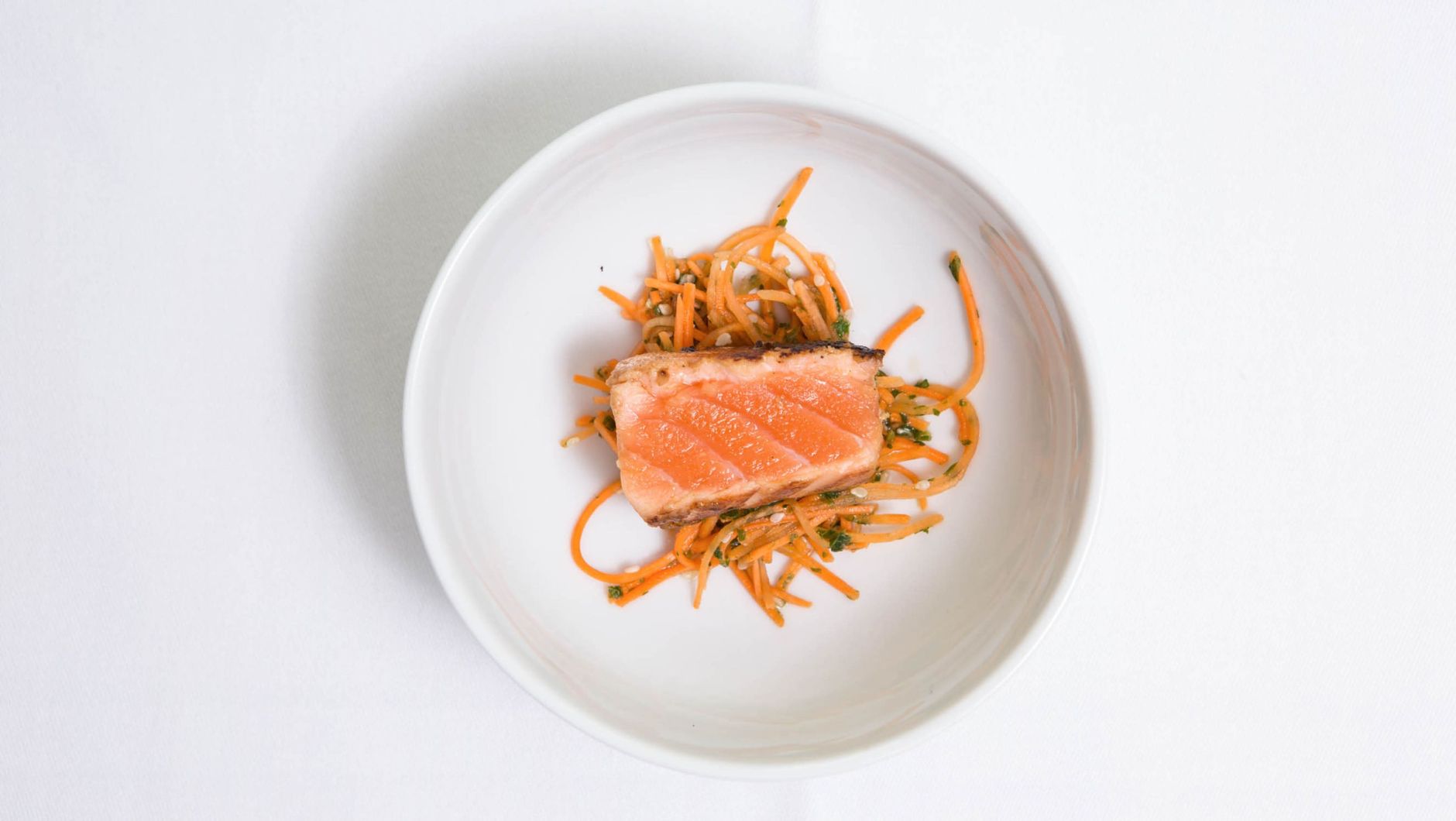
1. Fatty fish like salmon, mackerel, and sardines are rich in omega-3 fatty acids, which help lower triglycerides and support healthy blood clotting. Research on omega-3 intake has found associations with meaningfully better cardiovascular outcomes. ² Aim for at least two servings a week.
2. Leafy greens like spinach, kale, and Swiss chard are rich in nitrates, compounds that help relax and widen blood vessels, supporting healthy blood pressure and better oxygen flow to your heart.
3. Berries, including blueberries, strawberries, and raspberries, are packed with antioxidants called anthocyanins, which help reduce the oxidative stress and inflammation linked to heart disease.
4. Whole grains like oats, quinoa, and brown rice are high in fiber, which helps manage cholesterol and stabilize blood sugar. Diets built around whole grains are consistently linked to lower rates of heart attack and stroke.
5. Nuts and seeds, including almonds, walnuts, chia, and flaxseed, provide healthy fats, magnesium, and plant-based omega-3s in a small, convenient package. A small daily handful is enough to get the benefit without overdoing the calories, since nuts are fairly calorie-dense.
6. Olive oil is a cornerstone of the Mediterranean diet, rich in monounsaturated fats and antioxidants that protect blood vessels and support healthier cholesterol levels. Using it in place of butter or other saturated fats is one of the simplest, highest-impact swaps you can make.
7. Beans and lentils are full of soluble fiber, which helps remove excess cholesterol from your bloodstream, along with potassium, which supports healthy blood pressure.
8. Avocados provide heart-healthy monounsaturated fats and potassium, helping support both your cholesterol profile and your blood vessels.
9. Tomatoes contain lycopene, an antioxidant linked to lower LDL cholesterol and reduced inflammation. Cooking tomatoes in a bit of olive oil actually improves how well your body absorbs this compound.
10. Dark chocolate, in moderation and at least 70% cocoa, contains flavonoids that support healthy blood vessels and circulation.
How These Foods Actually Work
Every nutrient you eat sends real signals to your cardiovascular system, either supporting it or working against it.
Antioxidants in fruits and vegetables help neutralize unstable molecules that can otherwise damage your artery walls. Omega-3 fats help lower inflammation and support flexible, responsive arteries. Fiber binds to cholesterol in your digestive tract, helping remove it before it enters your bloodstream at all.
On the other hand, diets high in added sugar, trans fats, and excess sodium tend to do the opposite, contributing to inflammation, higher blood pressure, and gradual plaque buildup. This is a big part of why plant-forward, Mediterranean-style eating patterns are so consistently linked to better cardiovascular outcomes across large population studies. ³ A large clinical trial following over 7,000 people at high risk for heart disease found that a Mediterranean-style diet reduced major cardiovascular events by about 30% compared to a standard low-fat diet. ⁴
This kind of research matters because it moves the conversation beyond individual “superfoods” and toward the bigger picture: it’s the overall pattern of what you eat most days, not any single ingredient, that ultimately shapes your heart health over the years.
Building a Simple Heart-Healthy Meal Plan
If you’re new to eating this way, small, sustainable changes work far better than an overnight overhaul. Focus on one improvement at a time.
Breakfast: Try oatmeal topped with berries and a spoonful of flaxseed, or whole grain toast with avocado. Lunch: A salmon salad with an olive oil dressing, or a lentil soup with whole grain bread, both work well. Dinner: Grilled chicken or tofu with quinoa and a side of steamed greens is a simple, balanced option. Snacks: Reach for almonds, fresh fruit, or plain Greek yogurt instead of processed alternatives.
Staying hydrated matters too. Water, herbal tea, and green tea are all good choices, while sugary drinks and excessive caffeine are worth limiting.
Meal prepping even one or two of these meals in advance can make a real difference in whether you actually stick with heart-healthy eating during a busy week. Having a lentil soup or grilled chicken and vegetables ready to go removes the temptation to reach for something less supportive when you’re tired or short on time.
Lifestyle Habits That Work Alongside Good Nutrition
Diet is a major piece of the puzzle, but it works best alongside a few other consistent habits.
Regular exercise strengthens your heart muscle directly and supports healthy blood pressure. Research on aerobic activity has found meaningful reductions in blood pressure among people who exercise regularly compared to those who don’t. ⁵ Aim for at least 150 minutes of moderate activity, like brisk walking or cycling, each week.
Stress management matters more than people often realize. Chronic stress raises cortisol, which has been linked to increased fat storage and added strain on your cardiovascular system over time. ⁶ Simple habits like deep breathing, short walks, or time outdoors help keep this in check.
Quality sleep plays a real role too. Research following large groups of people found that both very short and very long sleep were associated with a higher risk of heart disease, pointing to 7 to 9 hours as a genuine sweet spot. ⁷ Avoiding smoking and limiting alcohol rounds out the picture, since both directly strain your blood vessels and heart over time. Routine checkups, including blood pressure and cholesterol screening, help catch potential issues early, when they’re most manageable.
Building a Lasting Relationship With Heart-Healthy Eating
Eating for heart health isn’t about a temporary diet. It’s about building habits that feel natural enough to stick with for years, not just weeks.
Start by adding one heart-supportive food or swap at a time. Maybe that’s switching from butter to olive oil, adding fish to your week twice, or reaching for berries instead of a processed dessert. These small, repeated choices compound into real, meaningful results over months and years.
The Bottom Line
There’s no single magic food that strengthens your heart on its own. Real, lasting heart health comes from a consistent pattern built around fatty fish, leafy greens, whole grains, healthy fats, and fiber-rich plants, alongside regular movement, good sleep, and stress management.
Start small, build one habit at a time, and trust that these everyday choices add up to real, measurable support for the organ working hardest for you every single day.
References
¹ Sofi F, Abbate R, Gensini GF, Casini A. (2010). Accruing evidence on benefits of adherence to the Mediterranean diet on health: an updated systematic review and meta-analysis. BMJ. https://doi.org/10.1136/bmj.c3344
² Khan SU, Lone AN, Khan MS, et al. (2021). Effect of omega-3 fatty acids on cardiovascular outcomes: a systematic review and meta-analysis. EClinicalMedicine. https://pmc.ncbi.nlm.nih.gov/articles/PMC8413259/
³ Aune D, Giovannucci E, Boffetta P, et al. (2017). Fruit and vegetable intake and the risk of cardiovascular disease, total cancer and all-cause mortality: a systematic review and dose-response meta-analysis of prospective studies. International Journal of Epidemiology. https://pubmed.ncbi.nlm.nih.gov/28338764/
⁴ Estruch R, Ros E, Salas-Salvadó J, et al. (2018). Primary prevention of cardiovascular disease with a Mediterranean diet supplemented with extra-virgin olive oil or nuts. New England Journal of Medicine. https://pubmed.ncbi.nlm.nih.gov/29897866/
⁵ Cornelissen VA, Smart NA. (2013). Exercise training for blood pressure: a systematic review and meta-analysis. Journal of the American Heart Association. https://pubmed.ncbi.nlm.nih.gov/23525435/
⁶ Epel ES, McEwen B, Seeman T, et al. (2000). Stress and body shape: stress-induced cortisol secretion is consistently greater among women with central fat. Psychosomatic Medicine. https://pubmed.ncbi.nlm.nih.gov/11020091/
⁷ Cappuccio FP, Cooper D, D’Elia L, Strazzullo P, Miller MA. (2011). Sleep duration predicts cardiovascular outcomes: a systematic review and meta-analysis of prospective studies. European Heart Journal. https://academic.oup.com/eurheartj/article/32/12/1484/502022
Health Disclaimer: This article is for general information only and is not medical advice. Talk to a doctor or registered dietitian before making significant dietary changes, especially if you have a diagnosed heart condition, high cholesterol, or take medications. This article does not replace personalized advice from a qualified healthcare provider, and existing cardiovascular disease requires proper medical evaluation and treatment, not diet alone.
Leave a Reply