
Starting a fitness journey can feel overwhelming. Between conflicting advice on social media, complicated workout splits, and intimidating gym environments, many beginners struggle with one core problem: not knowing where to start. That uncertainty often leads to inconsistency, frustration, or giving up altogether. Online workout programs have changed that dynamic. Instead of piecing together random exercises, beginners can follow structured, step-by-step plans designed to build strength, endurance, and confidence gradually. With guided video instruction, built-in progression, and clear scheduling, these programs remove guesswork and simplify the process.
Another major advantage is flexibility. Whether you prefer working out at home, at a gym, early in the morning, or late at night, online programs allow you to train on your schedule. Many require little to no equipment, making them accessible even if you don’t have a full home gym setup.
Most importantly, beginner-friendly programs focus on fundamentals—proper form, balanced programming, and manageable intensity. Instead of pushing extreme workouts designed for advanced athletes, they prioritize long-term consistency and sustainable progress. And for beginners, consistency is what truly drives results.
How We Chose the Top 5 Online Workout Programs
With hundreds of fitness apps and online platforms available, narrowing the list to five required clear criteria. Not every popular program is suitable for beginners, and flashy marketing doesn’t always translate to effective training.
First, we prioritized ease of use. A beginner program should be simple to navigate, with intuitive interfaces and clear instructions. Confusing layouts or overly complex tracking systems can discourage new users before they even start.
Second, we evaluated progression structure. The best beginner programs start with foundational movements and gradually increase intensity over time. Sudden jumps in difficulty can lead to burnout or injury, so proper progression was a key factor in selection.
Third, we considered equipment requirements. While some beginners have access to full gyms, many start at home. The programs included here either require minimal equipment or provide clear alternatives for different setups.
Cost and overall value for money also played an important role. Some platforms offer free tiers or affordable monthly subscriptions, while others provide premium coaching services at a higher price point. We aimed to include options for different budgets.
Finally, we looked at reputation and user experience. Consistently positive feedback, credible trainers, and a track record of helping beginners build sustainable habits were essential criteria.
The 5 Best Online Workout Programs for Beginners
Finding the right online workout program as a beginner can be overwhelming. To simplify your decision, we’ve rounded up five of the best programs that combine structured progression, clear instruction, and accessibility. Each of these options is beginner-friendly while still offering variety and room to grow.
Future

Future is a personalized fitness coaching platform that pairs you with a certified trainer who designs workouts tailored to your goals, schedule, and equipment availability.
- Program Structure: Custom weekly workouts delivered via the Future app, ranging from strength training to mobility exercises. Trainers adjust exercises based on your feedback and progress.
- Best For: Beginners who want accountability and guidance with a personal coach.
- Pros: Highly personalized, progress tracking, constant feedback from trainers, flexible scheduling.
- Cons: Higher cost than self-guided apps, requires weekly communication with a trainer to maximize value.
Centr

Centr, created by Chris Hemsworth’s fitness team, offers a wide variety of workouts including HIIT, strength, mobility, yoga, and meditation. The platform is designed to integrate fitness, nutrition, and wellness.
- Program Structure: Daily workouts with optional meal plans and mindfulness exercises. Beginners can follow step-by-step instructions and modify intensity.
- Best For: Beginners seeking a holistic approach to fitness that combines movement, nutrition, and mental well-being.
- Pros: Diverse workout types, guided video instructions, integrated wellness content, beginner modifications available.
- Cons: Some features require premium membership, and nutrition guidance may feel generalized.
Nike Training Club
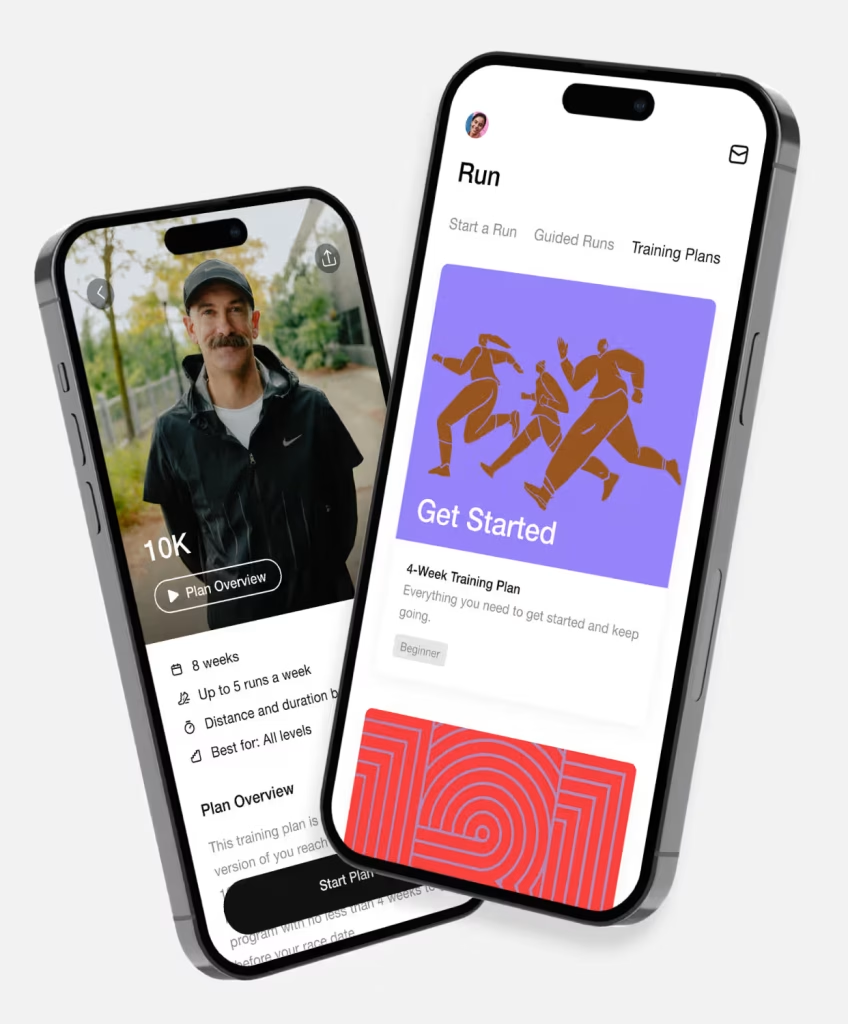
Nike Training Club (NTC) is a free and premium app offering hundreds of workouts for all levels, with a focus on strength, cardio, and flexibility. The app provides guided sessions, instructional videos, and customizable plans.
- Program Structure: Pre-made training plans based on your goals, ranging from four to six weeks. Workouts are 15–45 minutes long and can be done at home or at the gym.
- Best For: Beginners who want structured guidance without paying a subscription fee for the base app.
- Pros: Free option available, easy-to-follow video instructions, beginner-friendly, wide variety of workouts.
- Cons: Some advanced features and premium workouts require a subscription, less personalized than paid coaching apps.
Peloton App

While Peloton is known for its cycling classes, the Peloton App offers full-body strength training, yoga, cardio, and beginner-focused programs. It emphasizes live and on-demand classes for motivation.
- Program Structure: Daily or weekly guided classes with scalable options for different fitness levels. Users can track progress and join challenges to stay motivated.
- Best For: Beginners who enjoy class-style workouts and the social motivation of live sessions.
- Pros: Variety of classes, beginner modifications, interactive leaderboards, flexible schedule.
- Cons: Requires a subscription, some classes may assume gym equipment availability.
Fitbod

Fitbod uses AI to generate personalized strength training programs based on your goals, available equipment, and past performance. The app automatically adjusts workouts to prevent plateaus.
- Program Structure: Workouts are tailored to your fitness level, focusing on strength and progressive overload. Exercises can be adapted for home or gym equipment.
- Best For: Beginners who want personalized strength training with automated adjustments.
- Pros: Customizable to equipment and goals, AI-driven progression, simple logging and tracking.
- Cons: Some features require a subscription, limited non-strength workouts.
Do Beginners Need a Paid Online Workout Program?
The short answer is: no — you don’t need to pay for an online program to make progress. Paid programs often provide structure, accountability, and extra features, but if your primary goal as a beginner is simply to build consistency, learn proper form, and stay active, there are excellent free or low‑cost options that can get you results.
Free and Low-Cost Beginner Alternative Online Workout Programs
1. YouTube Fitness Channels
YouTube remains one of the best free resources for guided workouts. Many certified trainers share complete beginner programs, form tutorials, mobility sessions, and full‑length workouts — all without a subscription.
- NateBowerFitness – Great for beginner strength and boxing fundamentals
- Yoga With Adriene – Excellent gentle yoga and mobility work
- HASfit – Full guided workout programs ranging from 10 to 45 minutes
- BodyFit By Amy – Beginner strength and cardio programs you can follow weekly
2. Free Fitness Apps
Multiple apps offer free versions with solid beginner programming and instructions.
- Nike Training Club (Free Tier) – Structured plans, video demos, and progress tracking
- FitOn – Free workouts in strength, HIIT, yoga, and mobility with community challenges
- Adidas Training by Runtastic – Free workouts and plans with optional upgrades
These apps help beginners establish patterns and build consistency without spending money.
3. Basic Bodyweight Programs
You don’t need equipment to start building strength. Bodyweight programs are accessible, low‑impact, and scalable based on intensity.
Examples include:
- Our free guide: Best Workouts for Muscle Building at Home Without Equipment
- Couch to 5K running plans
- 100 push‑up / 200 squat / 300 crunch month programs
- Beginner calisthenics routines (push‑ups, squats, planks)
These can be downloaded or followed from reputable fitness blogs, PDFs, or community forums at no cost.
When a Paid Program Might Still Be Worth It
Free and low‑cost options can absolutely help you build a foundation, but there are some benefits to paid services:
- Structured progression that adapts based on your results
- Accountability tools like reminders and tracking
- Personalization based on your goals, equipment, and schedule
- Coach feedback (for higher‑tier plans)
- Ad‑free, polished interfaces and curated content
If you’re someone who tends to start programs and stop, or if you respond better to accountability and active guidance, a paid program can bridge that gap — especially if you can afford it as a consistent part of your fitness budget.
Top Choice Fitness Smartwatch for Beginners
Tracking progress is one of the biggest challenges for beginners. Even the best online workout program is only effective if you stay consistent and monitor your results. A fitness smartwatch can simplify this process by automatically logging workouts, tracking heart rate, counting calories, and even reminding you to move throughout the day. For beginners, our top choice for a beginner fitness smart watch is Fitbit Versa 4 Fitness Smartwatch:

Fitbit Versa 4 Fitness Smartwatch
4.3 Stars (18,000 Reviews)
Track more exercises than ever right from your wrist with 40+ exercise modes and never miss a beat with calls, texts and notifications right on your wrist.
Leave a Reply