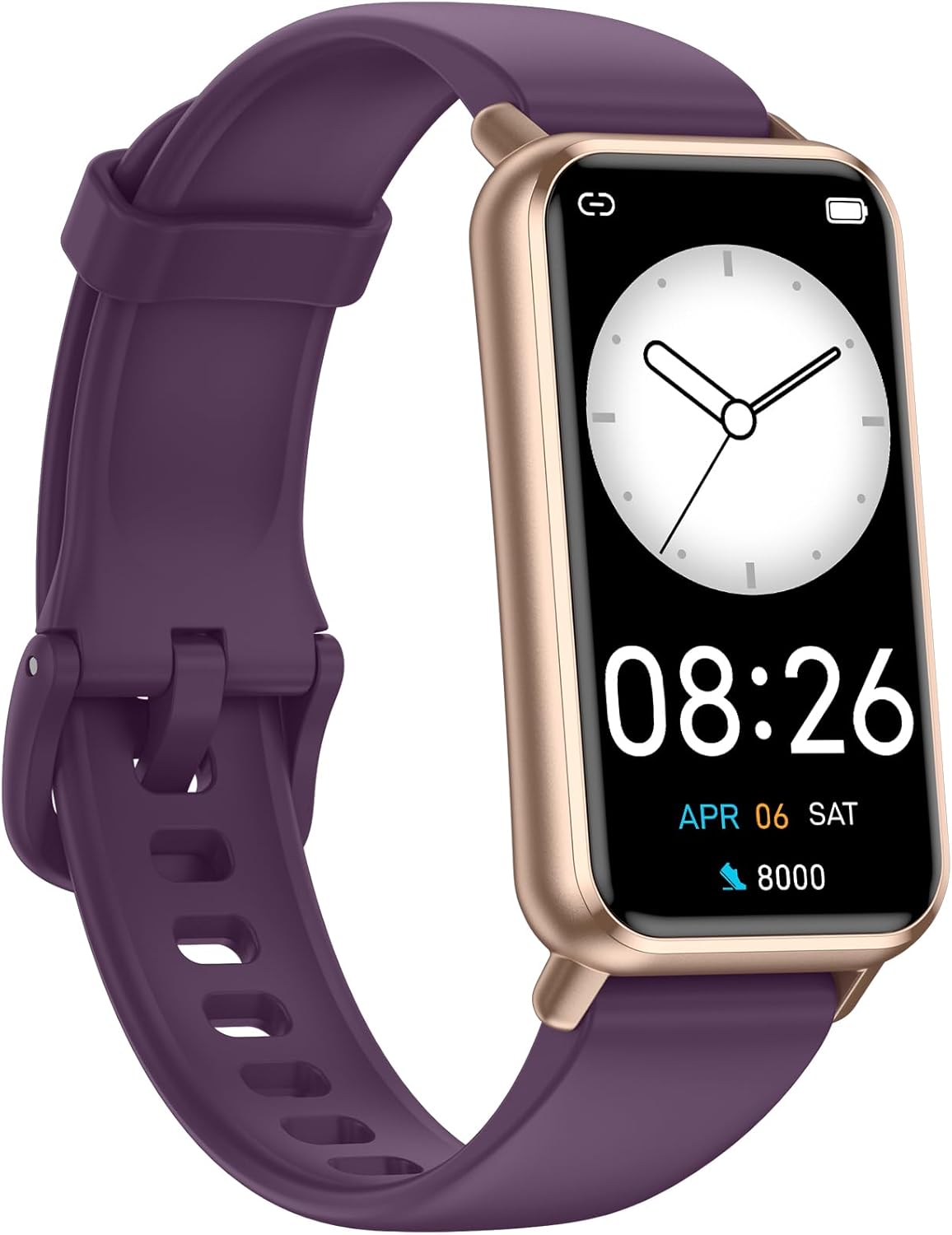
Staying active and monitoring your health doesn’t have to cost a fortune. There’s a growing range of fitness trackers without smartphones under $50, perfect for beginners, kids, seniors, or anyone who wants to focus on their activity without constant notifications or app dependency.
These budget-friendly devices provide essential metrics like steps taken, calories burned, and basic sleep tracking, all while being compact, lightweight, and easy to use. Despite their lower price, many models offer surprisingly accurate tracking and long-lasting battery life, proving that you don’t need a premium fitness tracker smartwatch to stay accountable and active. This guide will walk you through what to expect from trackers under $50, the key features to look for, and some of the best options available today.
Why Buy Fitness Trackers That Do Not Need a Smartphone?
Choosing a fitness tracker that doesn’t rely on a smartphone comes with several advantages. Privacy is a major factor—your health data stays on the device itself instead of being uploaded to a cloud service or connected app. This is especially appealing for people concerned about digital security or simply wanting to keep their information private.
Phone-free trackers are also convenient and distraction-free. You can leave your phone at home while walking, running, or exercising without losing the ability to monitor your progress. Seniors, children, and travelers can all benefit from standalone devices that provide reliable activity tracking without requiring extra setup.
Finally, avoiding a phone connection means fewer notifications, fewer distractions, and a more focused fitness experience. You get the metrics you need to track your health while keeping your daily routine simple and streamlined.
What to Expect From a Sub-$50 Fitness Tracker
While budget trackers don’t include all the bells and whistles of high-end smartwatches, they cover the essentials. Most devices under $50 will track steps, distance, calories burned, and sometimes basic sleep patterns, giving you enough data to stay accountable and motivated.
One of the biggest advantages is battery life. Because these devices skip constant Bluetooth syncing and app features, many can last weeks or even months on a single charge or coin-cell battery. They’re lightweight, low-maintenance, and perfect for casual fitness or everyday activity tracking.
However, there are some limitations. Low-cost trackers often lack built-in GPS, so distance measurements rely on step counts rather than precise mapping. Heart-rate monitoring may be less accurate than higher-end devices, and screens are usually smaller with more basic displays. Despite these limitations, sub-$50 trackers are ideal for users who want simple, reliable fitness tracking without the complexity of apps or smartphones.
Key Features to Look For in a Budget Fitness Tracker
Even on a budget, certain features can make a phone-free fitness tracker much more effective and enjoyable to use. Knowing what to prioritize ensures you get the most value for under $50.
Display Quality: Look for a screen that’s bright, easy to read, and shows your key stats at a glance. While most budget trackers don’t have full-color displays, a simple LED or monochrome screen can still clearly display steps, calories, and time. Adjustable brightness or backlighting is a plus for outdoor workouts.
Battery Life: One of the biggest advantages of low-cost trackers is their long battery life. Many use coin-cell batteries or efficient rechargeable batteries that last weeks or even months, so you won’t be charging every night. This makes them especially convenient for seniors, kids, or anyone who prefers low-maintenance devices.
Water Resistance: Even budget trackers often offer basic water resistance, protecting them from sweat and rain. Some models can even handle swimming or showering, but always check the product specifications to ensure it meets your needs.
Durability: Look for devices made with quality plastics, silicone straps, and sturdy materials. While you might not get premium metal finishes, a well-built tracker can withstand daily wear, drops, and exercise without breaking.
Comfort & Fit: A lightweight design with an adjustable strap is essential for wearing the tracker all day. Comfort ensures you’ll consistently wear the device, which is crucial for accurate step counting and sleep tracking.
By focusing on these key features—readable display, long battery life, water resistance, durability, and comfort—you can find a budget-friendly tracker that still delivers reliable performance and encourages consistent activity tracking.
The Best Fitness Trackers Without Smartphones Under $50
🥇Top Pick Kummel Pedometer Watch

4.0 Stars (70 Reviews)
- 14 days of battery
- Monitor calories burned, steps taken, distance covered, route mapping, and heart rate zones
- Slim and light weight design
🥈Runner Up Pautios Pedometer Watch

4.0 Stars (2,200 Reviews)
- 7 days of battery
- Records your steps, calories, distance, and activity time
- Large LCD color display
🥉Honorable Mention GRV Fitness Tracker

3.5 Stars (3,900 Reviews)
- 7 days of battery
- Record your steps, calories burned, distance and sleep time
- Simple setup
Choosing the best fitness tracker with no phone or app required comes down to your priorities. For seniors, kids, or anyone who values ease of use, privacy, and long battery life, these trackers prove that you don’t need a smartphone app to stay active and healthy. With the right choice, you’ll enjoy less hassle, more walking, and better peace of mind—one step at a time.
Leave a Reply